
I am always searching for places that combine natural beauty, outdoor adventure, and peaceful moments, and Iowa Great Lakes is one destination that never disappoints. Whether I want to spend the day boating across sparkling lakes, relax on a sandy beach, catch an unforgettable sunset, or explore charming lakeside towns, I can find it all here. From family-friendly attractions to exciting water sports and scenic hiking trails, every visit offers something new to experience.
If you are planning your first trip or simply wondering what makes Iowa Great Lakes so special, I am here to help you discover everything this beautiful region has to offer. In this guide, I will share the best attractions, activities, travel tips, and hidden gems so you can plan a memorable getaway and make the most of your time in Iowa’s favorite lake destination.
Iowa Great Lakes at a Glance
- Location: Northwest Iowa
- Main lakes: West Okoboji Lake, East Okoboji Lake, and Big Spirit Lake
- Other recreation: Beaches, trails, parks, fishing areas, boating and camping
- Popular activities: Fishing, swimming, boating, hiking, biking, sightseeing and family entertainment
- Best for: Families, outdoor travelers, anglers, couples and weekend visitors
- Winter activities: Ice fishing, snowmobiling and other cold-weather recreation
- Trip length: A weekend can cover the highlights, while several days allow more time for outdoor activities
The Iowa DNR describes the Iowa Great Lakes as a year-round recreation region and lists numerous state parks and recreation areas around the lakes.
What Are the Iowa Great Lakes?
The Iowa Great Lakes are a group of interconnected and nearby lakes and recreation areas in northwest Iowa. The name refers to the broader destination rather than one individual lake.
West Okoboji Lake, East Okoboji Lake, and Big Spirit Lake are among the best-known waters in the region. The area also includes additional water bodies, parks, campgrounds, trails, beaches, and communities that make the destination larger than the name “Okoboji” alone might suggest.
This distinction is useful when planning a trip. Someone searching for an Iowa Great Lakes vacation may be interested in much more than a single shoreline. Depending on the itinerary, a visitor can explore several lakes, state recreation areas, trails, attractions, and communities during the same trip.
Where Are the Iowa Great Lakes?
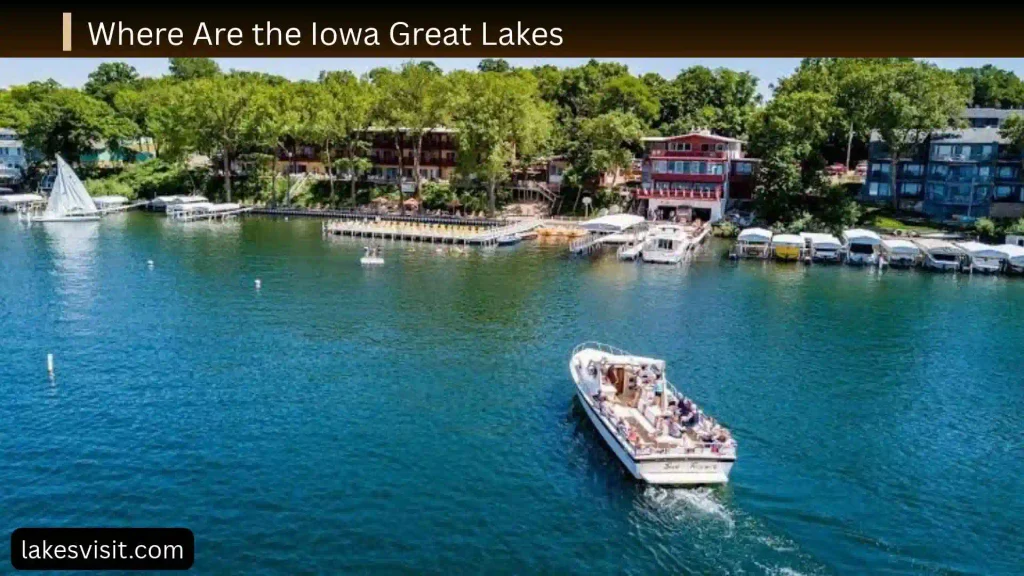
The Iowa Great Lakes are located in northwest Iowa, primarily around Dickinson County and the communities associated with the Okoboji and Spirit Lake area.
The region is accessible by road and is designed around both lake recreation and land-based activities. Visitors do not have to spend their entire trip on the water. Public parks, trails, beaches, campgrounds, attractions, restaurants, and other visitor services create a complete vacation destination around the lakes.
For first-time visitors, it is useful to think of the area as a connected vacation region rather than trying to choose one lake before understanding the whole destination.
What Lakes Are Part of the Iowa Great Lakes?
Several lakes and water bodies contribute to the Iowa Great Lakes region. The three names most visitors will encounter are West Okoboji Lake, East Okoboji Lake, and Big Spirit Lake.
West Okoboji Lake
West Okoboji Lake is one of the central features of the region and is especially associated with boating, water recreation, fishing, beaches, and the broader Okoboji vacation experience.
The lake is spring-fed and forms part of the chain of lakes around Okoboji. Visitors interested in active water recreation will find plenty of reasons to include West Okoboji in their itinerary.
East Okoboji Lake
East Okoboji Lake is another major part of the lake system. It provides opportunities for boating, fishing, shoreline recreation, and exploring the communities and parks around the water.
Rather than treating East and West Okoboji as completely separate destinations, visitors can include both in a single trip and choose activities according to weather, access, interests, and available time.
Big Spirit Lake
Big Spirit Lake is another major lake in the region and is particularly important for anglers and outdoor recreation.
Iowa DNR identifies Spirit Lake as one of Iowa’s natural lakes and notes that it serves as an important broodstock lake for walleye and muskellunge.
Other Lakes and Water Bodies
The Iowa Great Lakes region extends beyond the three most recognizable names. Smaller lakes and connected waters contribute to the area’s outdoor character and give visitors additional options for fishing, boating, wildlife viewing, and recreation.
This broader lake network is one reason the destination can support different types of trips instead of being limited to one attraction.
Are Iowa Great Lakes and Okoboji the Same?
No. They are closely connected, but the terms are not exactly interchangeable.
Iowa Great Lakes refers to the broader lake region in northwest Iowa.
Okoboji commonly refers to the famous lake area and surrounding communities, particularly the East and West Okoboji area.
The Okoboji area is therefore an important part of the larger Iowa Great Lakes experience rather than the entire region by itself. Travel Iowa describes Okoboji as a year-round destination built around the area’s lakes, communities, recreation, attractions, and outdoor activities.
Understanding this difference helps when searching for lodging, campgrounds, fishing access, parks, restaurants, and activities.
Which Iowa Great Lake Is Best for Different Activities?
There is no single lake that is automatically best for every visitor. Your ideal choice depends on what you want to do.
Best for Boating
West and East Okoboji are strong choices for visitors who want to make boating and water recreation a major part of their trip.
The Iowa DNR notes that boating is one of the region’s popular activities, with access points and facilities supporting different types of watercraft.
Best for Fishing
Big Spirit Lake, West Okoboji, East Okoboji, and other waters in the region can appeal to anglers. Your choice should depend on the species you are targeting, current fishing conditions, access, and applicable regulations.
Best for Families
The broader Okoboji area works particularly well for families because a trip can combine swimming, parks, trails, attractions, food, and water activities rather than relying on one experience.
Best for Quiet Outdoor Recreation
State parks, recreation areas, trails, beaches, and less activity-focused areas can be better for travelers who want a slower outdoor experience.
The important point is that you do not have to choose your entire vacation around one lake. The region’s proximity between recreation areas makes it possible to build a varied itinerary.
Best Things to Do in the Iowa Great Lakes
The Iowa Great Lakes offer activities both on and off the water. Iowa DNR identifies boating, fishing, camping, paddling, hiking, biking, and other outdoor recreation as key activities across Iowa’s parks and waterways.
Boating and Water Sports
Boating is one of the defining activities of the Iowa Great Lakes. Depending on the type of trip you want, you can explore the water by different types of recreational boats or paddlecraft.
Visitors should always review current boating rules, weather conditions, access information, and safety requirements before heading onto the water.
Beaches and Swimming
Beaches provide one of the easiest ways for families and casual visitors to enjoy the lakes without planning a full boating excursion.
Before swimming, check current beach information and advisories. Iowa DNR provides a beach monitoring system and notes that monitoring information is updated during the monitoring season.
Fishing
Fishing is a major reason many visitors choose the Iowa Great Lakes.
Depending on the water and season, anglers may encounter species including walleye, northern pike, muskellunge, yellow bass, smallmouth bass, perch, bluegill, crappie, catfish, and bullheads.
The best fishing plan should be based on current reports rather than an old article because conditions, seasons, limits, and regulations can change.
Hiking and Biking
You do not need a boat to experience the region.
The Iowa Great Lakes have an extensive trail system for walking, hiking, and biking. Iowa DNR’s regional information also highlights interpretive trails and other land-based recreation.
For visitors who want a break from the water, a trail can be an easy way to add exercise and scenery to the itinerary.
Lake Cruises
A cruise can be a convenient option for travelers who want to experience the lakes without operating a boat themselves.
This can be particularly appealing to couples, families, and visitors who have limited boating experience.
Family Attractions
The area combines natural recreation with attractions and entertainment. Travel Iowa highlights family-oriented experiences, museums, indoor entertainment, restaurants, water activities, and other attractions in the Okoboji area.
This variety is useful when traveling with children because the day does not have to revolve entirely around swimming or boating.
Museums and Local History
Visitors who want something beyond outdoor recreation can explore local history and museums.
Adding a cultural attraction to a lake vacation can also provide a useful alternative when weather conditions are unsuitable for outdoor activities.
Iowa Great Lakes With Kids
The region can work well for families because different age groups can find different activities.
For Toddlers
Families with very young children may prefer:
- Beaches
- Parks
- Short walks
- Easy sightseeing
- Family-friendly dining
- Simple outdoor activities
Keeping the schedule flexible is important with younger children. Instead of planning several major activities in one day, choose one main attraction and leave time for breaks.
For School-Age Children
Older children may enjoy:
- Swimming
- Fishing
- Boating
- Biking
- Outdoor games
- Amusement attractions
- Nature activities
The ability to mix water and land activities makes the region easier to adapt to changing interests.
For Teenagers
Teenagers may prefer more active experiences such as water sports, fishing, biking, boating, longer outdoor activities, and attractions.
A good family itinerary gives teenagers some freedom while still keeping convenient access to food, rest areas, and other family needs.
Iowa Great Lakes for Couples
The Iowa Great Lakes can also work well for a couples getaway.
Instead of trying to see everything, couples can create a slower itinerary around scenic lake time, a trail, a cruise, local dining, and an evening activity.
A simple couples schedule might look like:
Morning: Coffee and a walk or bike ride.
Afternoon: Lake activity, sightseeing, or a cruise.
Evening: Dinner followed by entertainment or a relaxed lakeside experience.
The advantage is flexibility. Couples can spend most of the day outdoors or shift toward restaurants, museums, and entertainment when the weather changes.
Best Things to Do Without a Boat
You absolutely do not need a boat to enjoy the Iowa Great Lakes.
Some of the best alternatives include:
- Walking and biking trails
- State parks
- Beaches
- Shoreline fishing
- Picnic areas
- Museums
- Family attractions
- Restaurants
- Shopping
- Scenic lake viewing
- Seasonal events
The Iowa DNR specifically identifies trails, parks, fishing, paddling, camping, and other land-based activities across its recreation network.
This makes the region accessible to visitors who prefer not to rent or operate a boat.
Free and Low Cost Things to Do
A lake vacation does not have to consist entirely of paid attractions.
Depending on the location and current park rules, visitors can build a low-cost day around public outdoor spaces, trails, beaches, sightseeing, fishing, and picnicking.
Public Outdoor Recreation
Walking, hiking, and enjoying public outdoor areas can provide a low-cost way to experience the scenery.
Beaches
A beach day can be an inexpensive alternative to paid attractions, although visitors should check current beach conditions and local rules.
Trails
Walking or biking is another good option for budget travelers.
Fishing
Fishing can be relatively affordable for visitors who already have basic equipment, although anglers must follow current licensing and regulatory requirements.
Best Iowa Great Lakes State Parks
The region contains numerous state parks and recreation areas. Iowa DNR’s Iowa Great Lakes listing includes Elinor Bedell State Park, Emerson Bay State Recreation Area, Gull Point State Park, Lower Gar State Recreation Area, Marble Beach State Recreation Area, Mini-Wakan State Park, Okamanpedan State Park, Pikes Point State Park, Templar State Recreation Area, and Trappers Bay State Park.
Elinor Bedell State Park
Elinor Bedell State Park is one of the designated state park destinations in the Iowa Great Lakes region.
It can be considered when planning a trip that combines lake recreation with park-based outdoor activities.
Gull Point State Park
Gull Point is another established recreation destination around the lakes.
The regional DNR information highlights a self-guided interpretive trail at Gull Point, making it particularly useful for visitors interested in learning about the area’s natural and cultural history while walking outdoors.
Emerson Bay State Recreation Area
Emerson Bay provides another option for visitors looking for lake access, outdoor recreation, and camping within the region.
Marble Beach State Recreation Area
Marble Beach is another state recreation area included in the Iowa Great Lakes network and can be useful when planning a trip around lake access and camping.
Pikes Point State Park
Pikes Point is one of the region’s additional park destinations and gives visitors another option when exploring beyond the busiest parts of the lake area.
Mini-Wakan State Park
Mini-Wakan State Park is located near Big Spirit Lake and can be included in an itinerary focused on the northern portion of the Iowa Great Lakes.
Iowa Great Lakes Fishing Guide
Fishing deserves special attention because the region is an important destination for anglers.
Iowa DNR provides current fishing reports, fishing regulations, fish species information, and a mobile-friendly Fishing Atlas to help anglers plan trips.
Fish You Can Catch
The Iowa Great Lakes region supports a variety of game and panfish. Species listed by Iowa DNR regional information include:
- Walleye
- Northern pike
- Muskellunge
- Yellow bass
- Smallmouth bass
- Yellow perch
- Bluegill
- Crappie
- Catfish
- Bullheads
Different species respond to different seasons, depths, temperatures, and conditions, so anglers should avoid assuming that one technique will work everywhere.
Shore Fishing
You do not necessarily need a boat to fish the Iowa Great Lakes.
Public access areas, piers, shorelines, and park facilities can provide opportunities for land-based anglers. Iowa DNR’s Fish Iowa system allows users to search fishing locations by lake, county, amenities, and other criteria.
Boat Fishing
Boat fishing provides access to more water and can be useful for anglers targeting particular depths or structures.
Before launching, check access conditions, boating requirements, weather, and invasive-species prevention guidance.
Fishing Licenses and Regulations
Fishing rules should always be checked before your trip.
Iowa DNR publishes current fishing regulations covering licenses, seasons, limits, aquatic invasive species, and other requirements.
Do not rely on an old blog post for legal requirements because regulations can change.
Current Fishing Reports
Current conditions are especially important when planning a fishing trip.
Iowa DNR provides a weekly fishing report and a fishing atlas, allowing anglers to check recent information before traveling.
Iowa Great Lakes Camping Guide

Camping is a natural fit for visitors who want to spend more time outdoors.
The Iowa DNR identifies several state park campgrounds in the Great Lakes area, including Emerson Bay State Recreation Area, Elinor Bedell State Park, Gull Point State Park, and Marble Beach State Recreation Area. The regional DNR factsheet notes that these campgrounds offer both electrical and non-electrical site options.
Camping is particularly useful for:
- Families who want an outdoor vacation
- Anglers who want easy access to recreation
- Visitors traveling with camping equipment
- Travelers looking for a nature-focused weekend
- Groups wanting to stay near outdoor activities
When Should You Reserve?
Iowa DNR states that the general campsite reservation window is three months in advance, with additional rules applying to different dates and reservation methods.
Popular summer weekends can require advance planning, so checking the reservation system early is sensible.
Campers should also check current weather, park alerts, facility availability, and campground conditions before leaving home.
Where to Stay in the Iowa Great Lakes
The best place to stay depends on the type of vacation you want.
Okoboji
Staying around Okoboji can be convenient for visitors who want access to lake activities, entertainment, restaurants, attractions, and the broader vacation atmosphere.
Arnolds Park
Arnolds Park can be attractive for families and visitors who want easy access to entertainment and attractions.
Spirit Lake
Spirit Lake can be a practical choice for travelers interested in the northern portion of the lake region and outdoor recreation.
Milford
Milford provides another base for exploring the lake area, particularly when your itinerary includes West Okoboji and surrounding recreation.
Campgrounds
Camping makes sense when the outdoor experience is the main reason for the trip.
Before choosing a campground, compare electrical hookups, facilities, lake access, trail access, reservation availability, and the distance to attractions you want to visit.
Best Time to Visit the Iowa Great Lakes
The best time depends on your preferred activities.
Summer
Summer is generally the most natural choice for visitors interested in swimming, boating, beaches, water sports, family attractions, and long outdoor days.
Fall
Fall can be appealing for visitors who prefer cooler weather, outdoor walking, biking, fishing, and a quieter atmosphere.
Winter
Winter changes the character of the destination.
Travel Iowa highlights activities such as snowmobiling, ice fishing, and the University of Okoboji Winter Games as part of the region’s cold-weather appeal.
Spring
Spring can be attractive for fishing and outdoor exploration as temperatures begin to rise.
Weather can be variable, however, so flexible planning is useful.
Iowa Great Lakes in Winter
The Iowa Great Lakes are not simply a summer destination.
When the lakes and surrounding landscape become colder, outdoor recreation shifts toward winter activities. Ice fishing and snowmobiling are among the experiences associated with the region’s cold-weather season.
Winter visitors should prepare for changing conditions and check current weather and local advisories before traveling.
Camping expectations also change during winter. Iowa DNR notes that modern conveniences such as water, flush toilets, and shower buildings may be closed during winter months at state park facilities.
What to Do in the Iowa Great Lakes on a Rainy Day

Rain does not have to ruin an Iowa Great Lakes vacation.
When outdoor activities are interrupted, consider:
- Museums
- Indoor family attractions
- Restaurants and cafés
- Shopping
- Entertainment
- Local history attractions
- Indoor resort activities
- Flexible sightseeing
Travel Iowa highlights museums, dining, family attractions, shopping, and other experiences in the Okoboji area alongside outdoor recreation.
A smart itinerary should therefore include at least one indoor backup option each day.
A Practical 2-Day Iowa Great Lakes Itinerary
Two days are enough to experience the highlights, although longer stays allow a slower pace.
Day 1: Okoboji and the Lakes
Start with a lakefront activity or scenic walk.
Spend the middle of the day at a beach, on the water, or exploring a nearby attraction.
In the afternoon, choose a trail, park, museum, or family attraction.
Finish with dinner and evening entertainment.
Day 2: Outdoor Recreation and Exploration
Start with fishing, hiking, or biking.
Visit one of the state parks or recreation areas in the region.
Spend the afternoon exploring another part of the lake area rather than staying in one location.
End the trip with a relaxed meal or final lakeside stop.
Family Version
Families can replace longer outdoor activities with beaches, attractions, easy trails, and kid-friendly entertainment.
Fishing Version
Anglers should give more time to fishing and check current DNR reports and regulations before choosing where and when to fish.
Couples Version
Couples can reduce the number of stops and spend more time on scenic walks, lake activities, cruises, dining, and evening entertainment.
Iowa Great Lakes Travel Tips
A few practical decisions can make the trip easier.
Check Conditions Before Water Activities
Weather and lake conditions can change. Check current forecasts and relevant advisories before boating or swimming.
Check Fishing Regulations
If fishing is part of your trip, confirm current licenses, seasons, limits, and other requirements through Iowa DNR.
Plan Popular Summer Weekends Early
If you want state park camping, check reservations well ahead of your preferred dates because Iowa’s reservation system opens campsites on a rolling basis.
Do Not Overpack the Itinerary
The region offers many activities, but trying to visit every lake, park, attraction, and restaurant in one weekend can make the trip tiring.
Choose two or three priorities and leave room for spontaneous stops.
Plan for Both Outdoor and Indoor Activities
A backup plan is especially helpful for families and visitors traveling during shoulder seasons.
Practice Clean, Drain, Dry
Boaters and anglers should follow Iowa DNR guidance for preventing the spread of aquatic invasive species. The DNR specifically promotes cleaning, draining, and drying boats and equipment.
Frequently Asked Questions
What are the Iowa Great Lakes?
The Iowa Great Lakes are a northwest Iowa lake region centered around major waters including West Okoboji, East Okoboji, Big Spirit Lake, and other nearby water bodies.
Where are the Iowa Great Lakes located?
They are located in northwest Iowa, around the Okoboji and Spirit Lake area.
What lakes are part of the Iowa Great Lakes?
West Okoboji Lake, East Okoboji Lake, and Big Spirit Lake are the most prominent, along with other nearby waters.
Are Iowa Great Lakes and Okoboji the same?
Not exactly. Iowa Great Lakes describes the broader region, while Okoboji generally refers to the well-known lake area and surrounding communities within that region.
Which Iowa Great Lake is best for fishing?
There is no single answer for every angler. West Okoboji, East Okoboji, Big Spirit Lake, and other area waters can offer fishing opportunities. Current reports, target species, access, and regulations should guide your choice.
What fish can you catch in the Iowa Great Lakes?
Commonly listed species include walleye, northern pike, muskellunge, yellow bass, smallmouth bass, perch, bluegill, crappie, catfish, and bullheads.
Do you need a fishing license?
Fishing requirements depend on your circumstances and the applicable Iowa regulations. Check the current Iowa DNR fishing regulations before your trip.
Can you visit the Iowa Great Lakes without a boat?
Yes. Trails, parks, beaches, fishing access, museums, attractions, restaurants, and other land-based activities provide plenty to do without owning or renting a boat.
Are the Iowa Great Lakes good for families?
Yes. Families can combine beaches, swimming, fishing, parks, trails, attractions, dining, and other entertainment.
What are some free things to do?
Walking trails, exploring public outdoor areas, enjoying appropriate public beaches, sightseeing, and other outdoor recreation can help create a lower-cost itinerary.
Where should you stay in the Iowa Great Lakes?
Okoboji, Arnolds Park, Spirit Lake, Milford, and area campgrounds can all work depending on whether your priority is entertainment, family activities, fishing, outdoor recreation, or camping.
Where can you camp?
Several state park and recreation-area campgrounds serve the region, including Emerson Bay, Elinor Bedell, Gull Point, and Marble Beach.
What is the best time to visit?
Summer is ideal for traditional lake activities such as swimming and boating, while fall, spring, and winter offer different outdoor experiences. Winter is especially relevant for activities such as ice fishing and snowmobiling.
What can you do in winter?
Winter visitors can explore activities such as ice fishing and snowmobiling, along with seasonal events and other cold-weather recreation.
What can you do when it rains?
Museums, restaurants, shopping, indoor attractions, entertainment, and other non-water activities can provide alternatives when outdoor plans are interrupted.
How many days do you need?
A two-day weekend can cover major highlights, but three or more days allow you to explore the lakes, parks, trails, fishing opportunities, and attractions at a more comfortable pace.
Final Thoughts
The Iowa Great Lakes are more than a collection of lakes. They form a flexible year-round destination where visitors can combine water recreation, fishing, beaches, parks, trails, camping, family attractions, local dining, and seasonal activities.
West Okoboji, East Okoboji, and Big Spirit Lake are central to the experience, but the broader region offers enough parks, recreation areas, communities, and attractions to support very different types of trips.
For families, the combination of beaches, attractions, trails, and water activities provides plenty of variety. Anglers have multiple waters and current Iowa DNR resources to help plan a fishing trip. Couples can build a slower getaway around scenery, outdoor recreation, dining, and entertainment. Travelers without boats can still enjoy a full vacation through parks, trails, beaches, fishing access, museums, and other attractions.
The best approach is to choose your priorities first, then select the lake, park, lodging, and activities that fit those interests. With a little planning, the Iowa Great Lakes can work equally well for a short weekend, a family vacation, a fishing trip, or a longer outdoor escape.