
Have you ever looked at a photo of a crystal-clear lake and wondered if a place could really be that beautiful? I am always amazed by how lakes can transform an ordinary landscape into something unforgettable. From turquoise waters surrounded by snow-capped mountains to peaceful lakes hidden in lush forests, every destination has its own unique charm and story.
In this guide, I am taking you on a journey to discover the most beautiful lakes in the world. Whether I am searching for breathtaking scenery, planning a dream vacation, or simply looking for natural wonders to admire, these incredible lakes offer something for everyone. Get ready to explore stunning destinations that will inspire your next adventure and show you why these lakes are considered some of the most spectacular places on Earth.
Most Beautiful Lakes in the World at a Glance
| Lake | Location | Best For | What Makes It Special |
| Lake Louise | Canada | Mountain scenery | Turquoise water and dramatic peaks |
| Moraine Lake | Canada | Photography | Ten Peaks and vivid blue water |
| Lake Como | Italy | Couples and luxury travel | Villages, villas, mountains and water |
| Lake Bled | Slovenia | Romance and photography | Island church and medieval castle |
| Plitvice Lakes | Croatia | Waterfalls | Cascading lakes and travertine barriers |
| Lake Tekapo | New Zealand | Stargazing | Turquoise water and dark skies |
| Lake Tahoe | USA | Outdoor activities | Mountains, beaches and clear water |
| Lake Annecy | France | Cycling and scenery | Turquoise water, Alps and historic towns |
| Lake Atitlán | Guatemala | Culture and volcanoes | Volcanic peaks and lakeside villages |
| Crater Lake | USA | Dramatic landscapes | Deep blue volcanic lake |
| Lake Wakatipu | New Zealand | Mountain scenery | Long lake surrounded by peaks |
| Lake Titicaca | Peru/Bolivia | Culture and history | High-altitude landscape and islands |
| Lake Baikal | Russia | Wilderness | Ancient lake and exceptional ecosystem |
| Lake Pichola | India | Architecture | Palaces, hills and historic scenery |
| Lake Superior | USA/Canada | Wilderness | Immense scale and rugged shoreline |
What Makes a Lake One of the Most Beautiful in the World?
Beauty is subjective, but certain characteristics repeatedly make lakes stand out to travelers and photographers.
Turquoise or Crystal-Clear Water
Water color is often the first thing people notice. Glacial lakes can develop striking blue or turquoise tones because extremely fine mineral sediment enters the water and changes how light is scattered and reflected.
But color is not permanent. Sunlight, weather, water depth, sediment, season, and viewing angle can all affect how a lake appears.
Dramatic Mountains
A beautiful lake becomes even more impressive when it sits beneath mountains. The contrast between still water and steep peaks creates the classic alpine landscape seen at destinations such as Lake Louise, Moraine Lake, Lake Como, Lake Annecy, and Lake Wakatipu.
Waterfalls and Geological Features
Some lakes are memorable because of the geological processes that created them. Plitvice Lakes is an excellent example. Its lakes are connected by waterfalls and watercourses, with natural travertine barriers formed through continuing geological and biological processes. UNESCO recognizes the area for its exceptional natural value.
Islands, Villages, and Architecture
Not every beautiful lake is purely wild. Lake Bled combines Alpine scenery with an island and historic buildings, while Lake Como is surrounded by villages, villas, gardens, mountains, and cultural attractions.
Wildlife and Natural Surroundings
For some travelers, a lake’s beauty is closely connected to its surrounding ecosystem. Lake Baikal, for example, is not merely a scenic destination. UNESCO describes it as the world’s oldest and deepest lake and highlights its unusually rich freshwater fauna.
1. Lake Louise, Canada
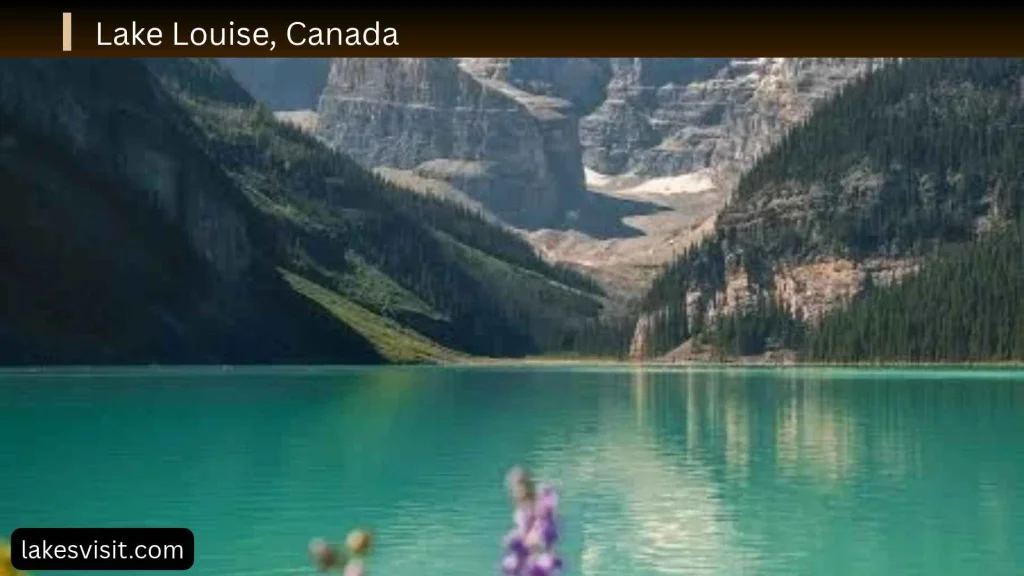
Lake Louise
Lake Louise is one of the most recognizable mountain lakes in the world. Located in Banff National Park in Alberta, it combines bright blue-green water with steep Rocky Mountain peaks, forests, glaciers, and extensive hiking opportunities.
Parks Canada describes Lake Louise and nearby Moraine Lake as among Canada’s most visited destinations, with hiking trails surrounding the colorful lakes and mountain scenery.
Why Lake Louise Is So Beautiful
The lake’s appeal comes from its setting rather than water color alone. Mountains rise dramatically around the shoreline, creating a landscape that changes considerably with weather and season.
The surrounding scenery also makes the destination useful for different types of travelers. Someone interested in photography can concentrate on reflections and mountain views, while hikers can use the area as a starting point for trails.
Best Things to Do at Lake Louise
Popular experiences include:
- Walking along the lakeshore
- Hiking in the surrounding mountains
- Canoeing during the warmer months
- Photographing the lake and peaks
- Enjoying winter scenery and snow activities
- Exploring nearby Banff National Park
Best Time to Visit Lake Louise
Lake Louise can be visited throughout the year, but the experience changes dramatically by season. Summer offers easier access to hiking and warmer-weather activities, while winter transforms the area into a snowy mountain destination.
For summer visits, planning ahead is important. Parks Canada notes that Lake Louise and Moraine Lake become extremely busy from May through October, with limited parking and significant demand for transportation.
Who Should Visit Lake Louise?
Lake Louise is particularly good for:
- First-time visitors to the Canadian Rockies
- Photographers
- Hikers
- Couples
- Families who enjoy nature
- Travelers seeking dramatic mountain scenery
Keep in mind: its popularity is also its biggest drawback. Summer crowds can be substantial, so transportation and timing should be planned before arrival.
2. Moraine Lake, Canada
Moraine Lake
Moraine Lake is another iconic Canadian Rockies destination, famous for its intense blue water and the mountain wall surrounding it.
Its setting beneath the Valley of the Ten Peaks makes it particularly appealing to photographers.
Why Moraine Lake Is Beautiful
The combination of colored water, rugged peaks, forest, and relatively compact viewpoints gives Moraine Lake a dramatic appearance.
The lake is also an excellent example of why practical travel information matters. The road is closed to personal vehicles, and access during the main visitor season is provided through approved transportation options. Parks Canada currently lists the 2026 shuttle season as June 1 through October 12, weather dependent.
Best Things to Do
Visitors can:
- Walk to the Rockpile viewpoint
- Photograph the Ten Peaks
- Hike nearby trails
- Combine the lake with other Banff attractions
- Enjoy early-morning or evening scenery when conditions permit
Best Time to Visit
Summer and early autumn are the main visiting periods, but exact conditions can change from year to year.
For 2026, Parks Canada lists Moraine Lake Road access for shuttles from June 1 through October 12.
Keep in mind: Moraine Lake is not a casual drive-up destination. Transportation planning is essential.
3. Lake Como, Italy
Lake Como
Lake Como offers a completely different kind of beauty. Instead of being defined only by wilderness, it combines water and mountains with villages, gardens, historic buildings, villas, restaurants, and cultural experiences.
The official Lake Como tourism network highlights nature, sports, food and wine, culture, itineraries, villages, and mountain experiences around the lake.
What Makes Lake Como Special?
Its narrow, branching shape creates constantly changing viewpoints. One moment you may see mountains rising directly behind the water; another may reveal a village, villa, church, or garden.
That combination makes Lake Como particularly attractive to travelers who want scenic beauty without giving up restaurants, accommodation, culture, and transportation options.
Best Things to Do
Consider:
- Exploring lakeside villages
- Taking a boat trip
- Visiting villas and gardens
- Hiking in the surrounding mountains
- Enjoying local food and wine
- Exploring historic towns
- Photographing the lake from elevated viewpoints
Best Time to Visit Lake Como
Spring, summer, and early autumn are popular because outdoor activities and sightseeing are easier. Summer generally brings greater demand, while shoulder seasons can offer a different atmosphere.
Who Should Visit?
Lake Como is especially suitable for:
- Couples
- Luxury travelers
- Photographers
- Food and culture lovers
- Travelers who prefer a combination of nature and civilization
Keep in mind: Lake Como is more developed and tourism-oriented than remote wilderness lakes. If you want solitude above all else, another destination may be a better fit.
4. Lake Bled, Slovenia
Lake Bled
Lake Bled looks almost designed for a postcard. An island sits in the lake while mountains rise around the water and Bled Castle overlooks the surrounding landscape.
The official destination website describes Bled as part of the Slovenian Alps and provides information on attractions, activities, swimming, transportation, and sustainable tourism.
Why Lake Bled Is Beautiful
Its appeal comes from the combination of several elements:
- An island in the middle of the lake
- Historic architecture
- Alpine mountains
- Green surroundings
- Scenic walking routes
- Traditional boats
This makes it one of the strongest choices for photography.
Best Things to Do
Visitors can:
- Walk around the lake
- Visit Bled Island
- Explore Bled Castle
- Take photographs from elevated viewpoints
- Explore the town
- Enjoy seasonal outdoor activities
Best Time to Visit
Lake Bled works throughout much of the year, but summer offers the widest range of outdoor activities. Spring and autumn can provide attractive scenery with different colors and potentially fewer visitors.
Who Should Visit?
Lake Bled is particularly good for:
- Couples
- Photographers
- First-time Slovenia visitors
- Families
- Travelers who enjoy scenery mixed with history
5. Plitvice Lakes, Croatia
Plitvice Lakes National Park
Plitvice Lakes is different from a conventional single-lake destination. It is a spectacular network of interconnected lakes, waterfalls, forests, and natural barriers.
UNESCO explains that water flowing across limestone and chalk has created travertine barriers over thousands of years, forming natural dams and a connected system of lakes and waterfalls.
What Makes Plitvice Lakes Different?
The scenery changes as you move through the park. Instead of looking at one large body of water, visitors encounter multiple pools, cascades, forests, bridges, and viewpoints.
That makes Plitvice particularly rewarding for travelers who enjoy walking and exploring.
Best Things to Do
- Follow designated walking routes
- Photograph waterfalls
- Explore the upper and lower lake areas
- Enjoy forest scenery
- Look for wildlife
- Spend time at viewpoints
Best Time to Visit
Each season creates a different appearance. Summer generally provides lush greenery, while autumn adds strong foliage colors. Spring can bring active waterfalls and fresh vegetation.
Who Should Visit?
Plitvice is ideal for:
- Nature lovers
- Photographers
- Hikers and walkers
- Families
- Travelers interested in geology
Keep in mind: this is a protected natural environment, so visitors should follow park rules and remain on designated routes.
6. Lake Tekapo, New Zealand
Lake Tekapo
Lake Tekapo combines turquoise water with a wide-open landscape and mountains. It is also well known for its exceptionally dark night skies.
Why Lake Tekapo Is Beautiful
During the day, the lake’s blue-green appearance contrasts with the surrounding mountains and open landscape. At night, the experience changes completely as the region becomes a destination for stargazing.
Best Things to Do
- Enjoy lake views
- Photograph the mountains
- Visit the Church of the Good Shepherd
- Explore nearby landscapes
- Stargaze
- Take scenic drives
Best Time to Visit
Summer offers longer daylight and comfortable conditions for many outdoor activities. Winter can provide a colder, quieter atmosphere and dramatic snow-covered scenery.
Who Should Visit?
Lake Tekapo is particularly appealing to:
- Photographers
- Stargazers
- Couples
- Road-trippers
- Nature lovers
7. Lake Tahoe, USA
Lake Tahoe
Lake Tahoe sits in the Sierra Nevada and is one of the world’s most recognizable large mountain-lake destinations.
Its appeal is broader than sightseeing because the surrounding region supports a large range of outdoor activities.
What Makes Lake Tahoe Beautiful?
The combination of blue water, forested mountains, beaches, rocky shorelines, and changing seasonal conditions gives Lake Tahoe a different appearance throughout the year.
Best Things to Do
Depending on the season, visitors can enjoy:
- Hiking
- Boating
- Kayaking
- Fishing
- Cycling
- Scenic drives
- Beach activities
- Winter sports
Best Time to Visit
Summer is popular for water activities and hiking, while winter attracts travelers interested in snow and mountain recreation. Spring and autumn can provide quieter conditions but may have more variable weather.
Who Should Visit?
Lake Tahoe is an excellent choice for:
- Active travelers
- Families
- Road-trippers
- Hikers
- Water-sports enthusiasts
- Winter-sports travelers
8. Lake Annecy, France
Lake Annecy
Lake Annecy combines clear turquoise water with Alpine mountains, historic architecture, cycling routes, beaches, and outdoor activities.
The official Lake Annecy tourism office highlights walking, cycling, water sports, cultural attractions, castles, cruises, and experiences across all four seasons.
Why Lake Annecy Is Beautiful
The lake offers a balanced experience. You can enjoy dramatic mountain scenery without being completely isolated from towns, restaurants, cycling infrastructure, and cultural attractions.
Best Things to Do
- Cycle around the lake
- Walk along the waterfront
- Go boating or kayaking
- Explore Annecy’s historic center
- Visit nearby castles
- Enjoy mountain viewpoints
- Take a lake cruise
Best Time to Visit
Summer is excellent for water activities and cycling. Autumn can be particularly attractive because of changing foliage, while winter brings a quieter mountain atmosphere.
Who Should Visit?
Lake Annecy is ideal for:
- Active travelers
- Couples
- Families
- Cyclists
- Photographers
- Travelers who enjoy towns and nature together
9. Lake Atitlán, Guatemala
Lake Atitlán
Lake Atitlán is surrounded by volcanoes and traditional lakeside communities, giving it a strong combination of natural and cultural appeal.
What Makes Lake Atitlán Beautiful?
The lake’s greatest feature is its setting. Volcanic peaks rise around the water, while villages along the shoreline provide a distinctly local character.
Best Things to Do
- Explore lakeside villages
- Take a boat across the lake
- Photograph volcanic scenery
- Hike in surrounding areas
- Learn about local culture
- Shop for local crafts
Best Time to Visit
The dry season is generally attractive for outdoor sightseeing because weather conditions are often more favorable. Travelers should still check local conditions before planning activities.
Who Should Visit?
Lake Atitlán suits:
- Culture-focused travelers
- Photographers
- Hikers
- Adventure travelers
- Visitors looking for a less conventional lake destination
10. Crater Lake, USA
Crater Lake National Park
Crater Lake is visually different from most lakes on this list because it occupies a volcanic caldera. The result is a deep blue body of water surrounded by steep volcanic walls.
The National Park Service identifies Crater Lake as the deepest lake in the United States and one of the clearest lakes in the world, with a maximum depth of 1,943 feet (592 meters).
Why Crater Lake Is Beautiful
The steep caldera walls create a dramatic sense of scale. The lake’s color contrasts strongly with the surrounding rock and forest.
Best Things to Do
- View the lake from overlooks
- Drive or cycle sections of the rim when open
- Hike during suitable conditions
- Photograph Wizard Island
- Enjoy winter scenery
- Explore the national park
Best Time to Visit
For hiking and generally warmer, drier conditions, July through September are strong choices. May, June, and October can be quieter but may have substantial snow and changing weather. The National Park Service recommends checking current conditions because seasonal roads and facilities can vary.
Who Should Visit?
Crater Lake is particularly good for:
- Road-trippers
- Photographers
- Hikers
- Geology enthusiasts
- Travelers seeking dramatic landscapes
Keep in mind: heavy snow affects access for much of the year, so a winter or shoulder-season visit requires more preparation.
11. Lake Wakatipu, New Zealand
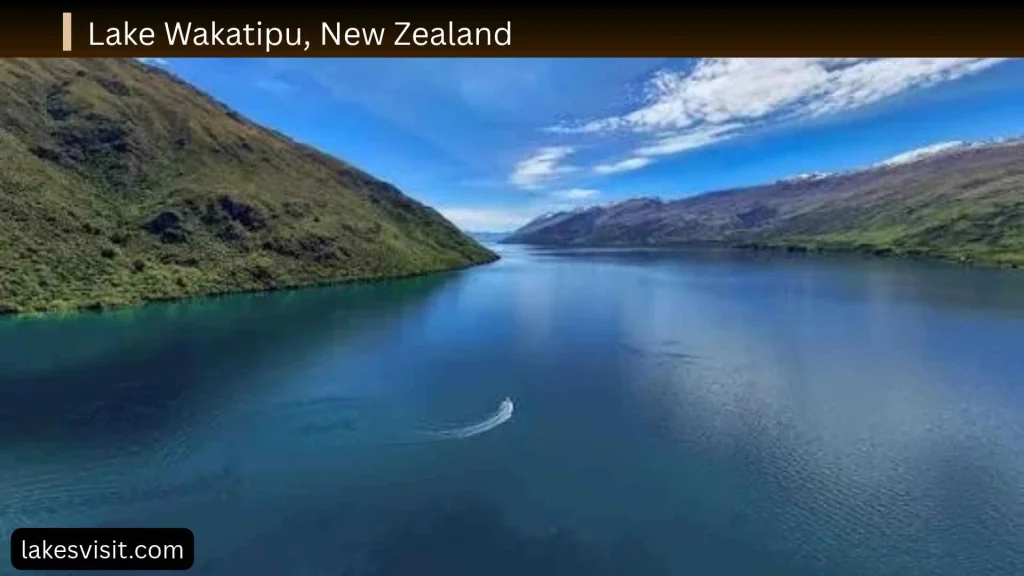
Lake Wakatipu
Lake Wakatipu stretches through a dramatic mountain landscape near Queenstown. Its long, narrow form gives visitors frequent opportunities to see mountains reflected in the water.
Why Lake Wakatipu Is Beautiful
The lake is particularly impressive when viewed against the Southern Alps. The surrounding landscape makes it feel much larger and more dramatic than a simple lakeside destination.
Best Things to Do
- Take a scenic cruise
- Explore Queenstown
- Hike nearby trails
- Photograph mountain reflections
- Enjoy scenic drives
- Combine the lake with other South Island attractions
Who Should Visit?
Lake Wakatipu is a strong choice for:
- Adventure travelers
- Photographers
- Couples
- Road-trippers
- Visitors exploring New Zealand’s South Island
12. Lake Titicaca, Peru and Bolivia
Lake Titicaca
Lake Titicaca offers something that many scenic lakes do not: a powerful combination of high-altitude landscapes and cultural history.
UNESCO’s description notes that Lake Titicaca lies between Peru and Bolivia at approximately 3,810 meters above sea level and is one of the world’s ancient lakes.
Why Lake Titicaca Is Special
The scale of the surrounding highlands and the cultural traditions connected with the lake make it more than a scenic viewpoint.
Best Things to Do
Depending on the route and local conditions, travelers can:
- Explore lakeside communities
- Visit islands
- Learn about local traditions
- Enjoy high-altitude scenery
- Take boat trips
- Explore nearby archaeological and cultural sites
Who Should Visit?
Lake Titicaca is best suited to:
- Cultural travelers
- History enthusiasts
- Photographers
- Adventure travelers
- Visitors interested in South American landscapes
Keep in mind: its high elevation means travelers should plan appropriately and allow time to adjust to altitude.
13. Lake Baikal, Russia
Lake Baikal
Lake Baikal is one of the world’s most extraordinary lakes from both a visual and scientific perspective.
UNESCO describes it as approximately 25 million years old, around 1,700 meters deep, and containing about 20% of the world’s unfrozen freshwater reserve. Its isolation has also contributed to an unusually rich freshwater ecosystem.
Why Lake Baikal Is Beautiful
Its enormous scale, rocky shores, forests, mountains, and seasonal ice create a landscape that can look completely different throughout the year.
Winter is especially distinctive because sections of the lake freeze, producing unusual ice formations and vivid blue patterns.
Best Things to Do
- Explore shoreline landscapes
- Experience winter scenery
- Photograph ice formations
- Explore surrounding wilderness
- Learn about the lake’s ecosystem
Who Should Visit?
Lake Baikal is best for:
- Wilderness travelers
- Photographers
- Nature enthusiasts
- Adventure travelers
- People seeking unusual destinations
14. Lake Pichola, India
Lake Pichola
Lake Pichola offers a completely different interpretation of lake beauty. Instead of being surrounded primarily by wilderness, the water is framed by historic architecture, hills, palaces, and the city of Udaipur.
What Makes Lake Pichola Beautiful?
The relationship between water and architecture is the major attraction. Buildings appear to rise directly from the lake, creating especially striking scenes around sunrise and sunset.
Best Things to Do
- Take a boat ride
- Photograph Udaipur’s historic skyline
- Explore lakeside architecture
- Visit nearby historic attractions
- Enjoy sunset views
Who Should Visit?
Lake Pichola is particularly attractive to:
- Photographers
- Couples
- History enthusiasts
- Architecture lovers
- Travelers exploring Rajasthan
15. Lake Superior, USA and Canada
Lake Superior
Lake Superior is not defined by tropical-looking turquoise water or a single famous viewpoint. Its beauty comes from scale, rugged shoreline, forests, cliffs, beaches, and the feeling of open wilderness.
Why Lake Superior Is Beautiful
The lake’s enormous size can make parts of the shoreline feel almost ocean-like. Different sections offer beaches, forests, rocky coastlines, waterfalls, and scenic overlooks.
Best Things to Do
- Explore shoreline parks
- Hike
- Photograph cliffs and beaches
- Take scenic drives
- Visit waterfalls
- Explore small lakeside communities
Who Should Visit?
Lake Superior works particularly well for:
- Road-trippers
- Hikers
- Nature lovers
- Photographers
- Travelers seeking less manicured scenery
Best Beautiful Lakes for Different Types of Travelers
Choosing the “best” lake becomes easier when you start with the type of experience you want.
Best Lake for Mountain Scenery
Lake Louise and Moraine Lake are outstanding choices for classic alpine scenery. Their combination of colored water, steep peaks, and hiking opportunities makes the Canadian Rockies especially compelling.
Best Lake for Couples
Lake Como and Lake Bled are strong choices because they combine beautiful water and scenery with villages, architecture, restaurants, walks, and cultural experiences.
Best Lake for Photography
Moraine Lake, Lake Bled, Plitvice Lakes, and Lake Tekapo each provide different photographic subjects, from mountain reflections to waterfalls, architecture, and night skies.
Best Lake for Waterfalls
Plitvice Lakes is the clearest choice on this list because waterfalls are an integral part of the lake system rather than simply a nearby attraction.
Best Lake for Outdoor Adventures
Lake Tahoe is especially versatile because travelers can combine lake activities with hiking and mountain recreation.
Best Lake for Stargazing
Lake Tekapo stands out for travelers who want to combine lake scenery with nighttime astronomy.
Best Lake for Culture
Lake Titicaca, Lake Atitlán, and Lake Pichola provide particularly strong combinations of natural scenery and cultural experiences.
Best Lake for Wilderness
Lake Baikal and Lake Superior are better suited to travelers who prioritize scale, nature, and less urbanized surroundings.
Why Are Some Lakes So Blue or Turquoise?
The unusual color of famous lakes is not necessarily the result of clear water alone.
Glacial Rock Flour
Glaciers can grind rocks into extremely fine particles. When this material enters a lake, it can affect the way light interacts with the water and create a distinctive blue or turquoise appearance.
Minerals and Sediment
The composition of surrounding rock and material carried into the lake can influence water color.
Water Depth
Deep water absorbs and scatters light differently from shallow water, affecting the color perceived from shore or above.
Sunlight and Weather
A lake can look dramatically different under direct sunlight, cloud cover, sunrise, or sunset.
Seasonal Changes
Snowmelt, rainfall, sediment movement, and changing vegetation can alter a lake’s appearance.
This is why photographs of the same lake can look noticeably different from one season or day to another.
Best Time of Year to Visit Beautiful Lakes
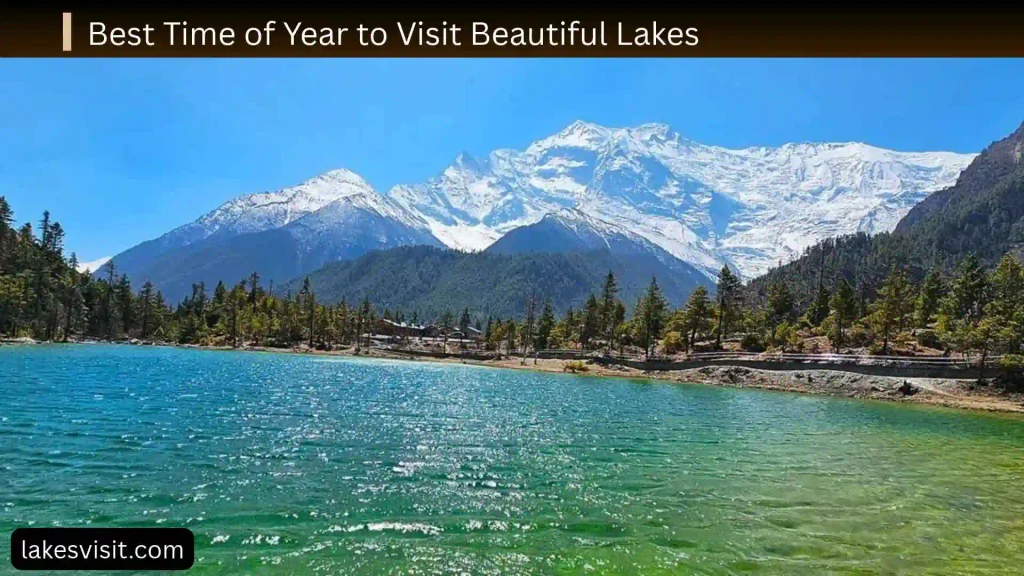
There is no universal best season for every lake.
Spring
Spring can bring:
- Fresh vegetation
- Waterfalls and snowmelt
- Fewer visitors at some destinations
- Changing weather
However, mountain roads and trails may still be affected by snow.
Summer
Summer generally offers the widest range of outdoor activities, especially hiking, boating, swimming, cycling, and sightseeing.
The downside is that famous lakes can become extremely crowded.
Autumn
Autumn can be excellent for:
- Colorful foliage
- Photography
- Cooler temperatures
- Potentially lower crowds
Crater Lake’s National Park Service specifically notes fall as a season with clear days, cooler temperatures, fewer crowds, wildlife opportunities, and changing conditions.
Winter
Winter completely changes some lake destinations.
Snow and ice can create extraordinary scenery at places such as Lake Baikal, Lake Louise, and Crater Lake. However, winter also means road closures, snow hazards, and fewer available services at certain destinations.
How to Choose the Best Beautiful Lake for Your Trip
Consider the Scenery You Want
If you want:
- Alpine mountains: Lake Louise or Moraine Lake
- Villages and villas: Lake Como
- Waterfalls: Plitvice Lakes
- Volcanoes: Lake Atitlán or Crater Lake
- Historic architecture: Lake Pichola
- Wilderness: Lake Baikal or Lake Superior
Consider Activities
Don’t choose a lake solely because of photographs.
If you want hiking, cycling, kayaking, boating, skiing, sightseeing, or cultural experiences, check whether those activities are actually available during your travel dates.
Consider Accessibility
Some famous lakes are easy to reach from nearby cities, while others require long drives, boats, shuttles, or mountain travel.
Moraine Lake is a good example: personal vehicles are not permitted on Moraine Lake Road, so visitors need to arrange an approved transportation option.
Consider Crowds
The most famous lake is not always the best lake for every traveler.
If you dislike crowds, look at:
- Shoulder seasons
- Weekdays
- Early mornings
- Less-famous viewpoints
- Alternative nearby lakes
Consider the Season
Always check official destination information before traveling because road access, hiking routes, transportation, weather, and facilities can change.
Tips for Visiting Beautiful Lakes Responsibly
Protect the Water
Avoid leaving waste, soap, food, or other contaminants near the shoreline.
Stay on Designated Trails
Popular lake environments can be fragile. Staying on established paths helps reduce erosion and vegetation damage.
Respect Wildlife
Keep your distance from wildlife and never feed animals.
Leave No Trace
Take your trash with you, respect local regulations, and avoid removing rocks, plants, or other natural materials.
Check Local Rules
Swimming, boating, fishing, drones, fires, camping, and other activities may be restricted depending on the destination.
Frequently Asked Questions
What is the most beautiful lake in the world?
There is no universally recognized single “most beautiful” lake because beauty is subjective. Lake Louise, Moraine Lake, Lake Como, Lake Bled, and Plitvice Lakes are among the strongest choices for different types of scenery.
Which lake has the clearest water?
Several lakes are known for exceptionally clear water, but clarity can vary with weather, season, sediment, and local conditions. Crater Lake is recognized by the National Park Service as one of the clearest lakes in the world.
Which lake is best for mountain scenery?
Lake Louise and Moraine Lake are particularly strong choices because of their dramatic Canadian Rockies setting. Lake Annecy, Lake Como, and Lake Wakatipu are also excellent options.
Which beautiful lake is best for photography?
Moraine Lake is excellent for mountain photography, Lake Bled is ideal for architecture and landscape compositions, Plitvice Lakes is particularly strong for waterfalls, and Lake Tekapo offers both daytime landscapes and night-sky opportunities.
What is the most beautiful lake in Europe?
There is no objective winner, but Lake Como, Lake Bled, Plitvice Lakes, and Lake Annecy are among Europe’s most visually distinctive lake destinations.
Which beautiful lakes are best for couples?
Lake Como and Lake Bled are particularly suitable for couples because they combine scenery with walks, villages, historic sites, dining, and other experiences.
What is the best lake for waterfalls?
Plitvice Lakes is one of the strongest choices because waterfalls and interconnected lakes are central to the landscape. UNESCO specifically identifies the area’s network of lakes, waterfalls, and natural travertine barriers as a defining feature.
What is the best time to visit beautiful lakes?
It depends on the destination and your preferred activities. Summer is often best for hiking and water activities, autumn can be excellent for foliage and photography, and winter can provide dramatic snow and ice scenery.
Why are some lakes turquoise?
Turquoise or blue coloration can be influenced by glacial sediment, minerals, water depth, sunlight, and other physical conditions. The exact appearance varies from lake to lake.
Are the world’s most beautiful lakes crowded?
Some are extremely popular. Lake Louise and Moraine Lake, for example, experience heavy visitation during the warmer months, and Parks Canada warns that parking and transportation demand can be high.
Final Thoughts
The most beautiful lakes in the world are not necessarily the ones with the brightest water or the most famous photographs. Their appeal comes from what surrounds them and what travelers can experience there.
Choose Lake Louise or Moraine Lake for dramatic mountain scenery, Lake Como for villages and refined lakeside travel, Lake Bled for romance and photography, Plitvice Lakes for waterfalls, Lake Tekapo for stargazing, and Lake Tahoe for outdoor adventure.
For something more unusual, Lake Baikal offers extraordinary wilderness and ecological importance, while Lake Titicaca and Lake Pichola add strong cultural and historical dimensions to the lake experience.
The best destination ultimately depends on what you want to see and do. Rather than searching only for the lake with the most beautiful photograph, consider the scenery, season, crowds, accessibility, activities, and atmosphere that fit your own trip.