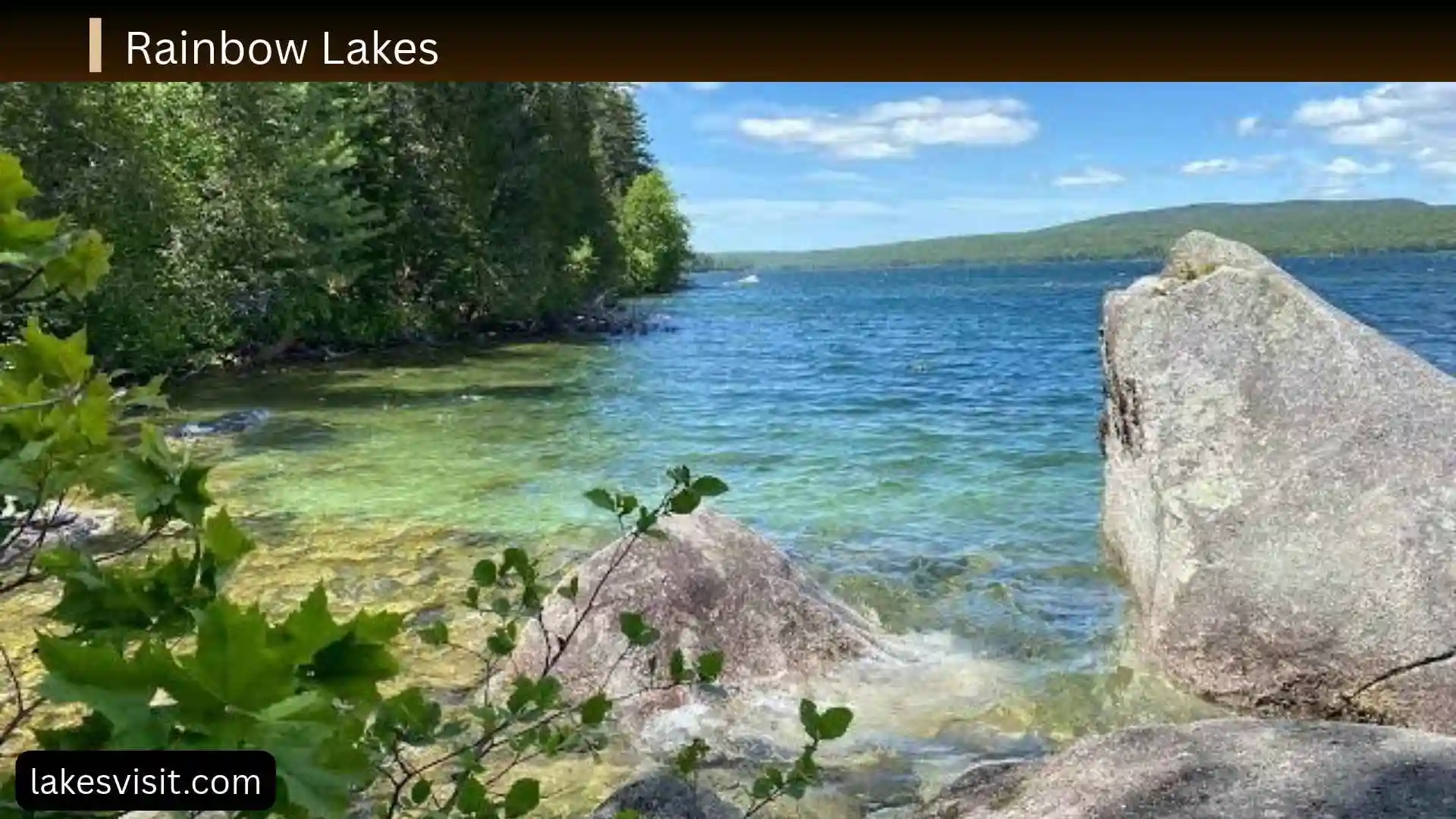
Have you ever wondered why so many people fall in love with Rainbow Lakes? If you are looking for a peaceful escape, breathtaking scenery, or a place to enjoy outdoor adventures, you are in the right place. Rainbow Lakes is known for its crystal-clear waters, beautiful mountain views, and relaxing atmosphere that attracts hikers, campers, anglers, photographers, and nature lovers throughout the year.
In this guide, you will discover what makes Rainbow Lakes so special, the best activities to enjoy, the ideal time to visit, and helpful tips to make your trip memorable. Whether you are planning your first visit or returning for another adventure, this article will help you explore everything Rainbow Lakes has to offer.
Rainbow Lakes at a Glance
| Feature | What to Know |
| Location | Near Nederland, Colorado |
| Setting | High-elevation mountain environment |
| Main attraction | Rainbow Lakes Trail and surrounding lakes |
| Nearby wilderness | Indian Peaks Wilderness |
| Primary activities | Hiking, camping, fishing, wildlife viewing and photography |
| Campground | Rainbow Lakes Campground |
| Campground sites | 18 first-come, first-served sites |
| Drinking water | Not available at the campground |
| Electricity | Not available |
| Showers | Not available |
| Road access | Seasonal and partly unpaved |
| Vehicle consideration | High-clearance vehicle recommended for the campground access road |
| Best general season | Summer into early fall, depending on conditions |
Rainbow Lakes is best suited to travelers who want a mountain outdoor experience rather than a highly developed lake resort. The combination of lakes, forest, high elevation and wilderness access gives the area its appeal.
What Are Rainbow Lakes in Colorado?
Rainbow Lakes refers to a group of small lakes and ponds in the mountains near Nederland. The area is associated with the Rainbow Lakes Trail and Rainbow Lakes Campground, which is located at the end of Rainbow Lakes Road beside the Indian Peaks Wilderness.
The Colorado trail system can be confusing because there are similarly named routes and longer trail connections in the surrounding area. Colorado’s official COTREX system lists a short Rainbow Lakes Trail near the campground, while a separate longer trail listing with the same name covers a much larger route. For visitors planning the common lake outing, it is therefore important to confirm the specific Rainbow Lakes Trail and trailhead before starting.
The shorter Rainbow Lakes route begins in a high-elevation environment and leads visitors toward the lakes through mountain terrain. COTREX lists the short trail at approximately 0.9 miles, with an elevation range of about 9,969 to 10,262 feet.
This makes Rainbow Lakes particularly attractive to people who want mountain scenery without committing to an extremely long day hike.
Where Is Rainbow Lakes Colorado?
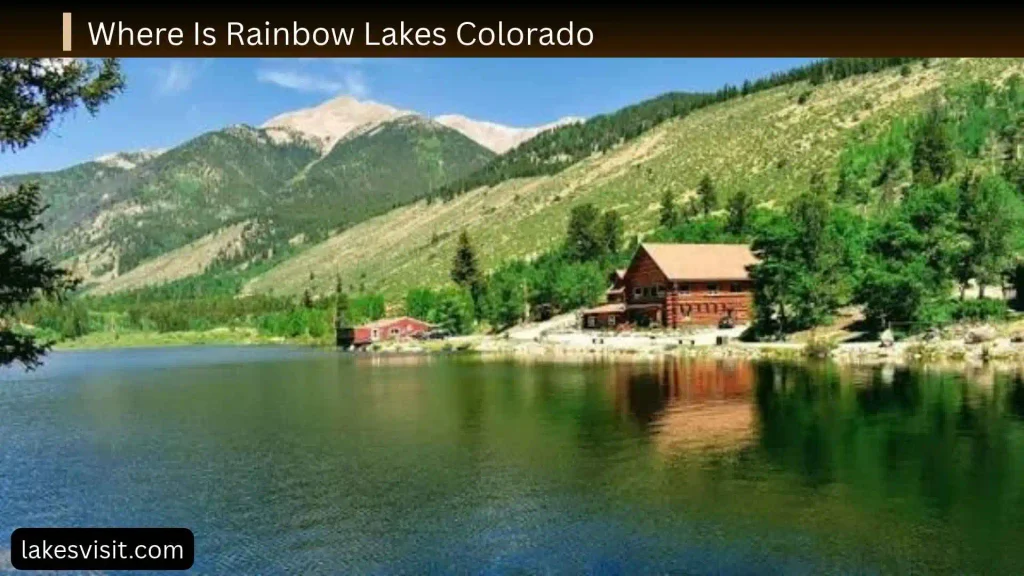
Rainbow Lakes is located near Nederland in Boulder County, Colorado.
From Nederland, the campground directions provided by Recreation.gov call for traveling north on Colorado Highway 72 for approximately seven miles before turning west toward the forest road leading to Rainbow Lakes. The final approach includes an approximately five-mile native-surface road, and a high-clearance vehicle is recommended.
The location is remote enough to feel like a genuine mountain getaway while still being relatively close to Nederland.
That combination makes it attractive for:
- Day hikers
- Weekend campers
- Anglers
- Wildlife watchers
- Photographers
- Visitors exploring the Indian Peaks area
- Travelers looking for a quieter mountain destination
Rainbow Lakes Trail
The Rainbow Lakes Trail is the main reason many visitors search for Rainbow Lakes Colorado.
The short trail listed by COTREX is approximately 0.9 miles and climbs from roughly 9,969 feet to 10,262 feet. It is a dirt-surface route managed by the U.S. Forest Service, and hiking is permitted. Dogs are permitted on leash on the listed trail.
The route is much more than a walk to a single body of water. The surrounding landscape gives hikers a combination of forest, mountain terrain, small lakes and wetland-like areas.
What Will You See on the Trail?
Depending on conditions and how far you explore, the area can provide views of:
- Mountain lakes
- Forest
- Beaver ponds
- Mountain vegetation
- Streams and wet areas
- Wildlife
- High-country scenery
The nearby wilderness setting adds to the feeling that you are away from an urban recreation area.
How Long is the Rainbow Lakes Trail?
This question requires some care because different trail databases can refer to different routes under similar names.
The official COTREX listing for the short Rainbow Lakes Trail shows a total length of about 0.9 miles, while another COTREX route carrying the Rainbow Lakes Trail name is much longer and reaches into a broader trail network.
For someone planning the popular lake visit, the important step is to confirm the trailhead and route associated with the campground before starting.
Is the Rainbow Lakes Trail Difficult?
Rainbow Lakes can be relatively accessible compared with longer Colorado wilderness hikes, but calling it simply “easy” can be misleading.
The short route has limited mileage, but the trail begins at roughly 10,000 feet, and altitude can make even a short walk feel more strenuous than the same distance at low elevation.
Your experience can also change because of:
- Snow
- Mud
- Rain
- Wet trail sections
- Temperature
- Altitude
- Fitness level
- Previous acclimatization
A visitor accustomed to sea-level or low-elevation hiking should not assume that a short Colorado mountain trail will feel effortless.
Is Rainbow Lakes Good for Beginners?
It can be a good introduction to high-country scenery for prepared beginners, especially when conditions are favorable.
However, beginners should understand the difference between short and low difficulty.
A short trail at more than 10,000 feet can still require:
- A slower pace
- Plenty of water
- Proper clothing
- Weather awareness
- Good footwear
- Extra time for breaks
If someone is unfamiliar with altitude, the mountain environment should be treated seriously even when the mileage looks modest.
Rainbow Lakes Elevation and Altitude
Elevation is one of the most important details that should not be overlooked.
The short COTREX trail listing places the route between approximately 9,969 and 10,262 feet.
That elevation affects the way visitors experience the hike.
At high altitude:
- You may become tired faster.
- Breathing can feel harder.
- Sun exposure can be stronger.
- Weather can change quickly.
- Temperatures may be considerably cooler than in nearby lower elevations.
Visitors arriving from much lower elevations should consider acclimatization and avoid rushing.
If you develop significant symptoms of altitude illness or another serious problem, stop the activity and seek appropriate medical assistance.
How to Get to Rainbow Lakes
Getting to Rainbow Lakes requires more planning than visiting a city park.
Recreation.gov provides directions from Nederland along Colorado Highway 72, followed by National Forest System Road 298. The road is approximately five miles of native surface, and a high-clearance vehicle is recommended.
From Nederland
The general approach is:
- Start in Nederland.
- Travel north on Colorado Highway 72.
- Continue for approximately seven miles.
- Look for the University of Colorado Mountain Research Station sign.
- Turn west onto the forest road toward Rainbow Lakes.
- Follow the unpaved road toward the campground and trailhead.
Always check current Forest Service road conditions before making the trip because mountain access can change with weather and seasonal conditions.
Is the Road to Rainbow Lakes Paved?
No. The campground approach includes a native-surface road.
A high-clearance vehicle is recommended by Recreation.gov, making the access road an important consideration for drivers of low-clearance cars.
Is Rainbow Lakes Accessible in Winter?
Winter access is significantly different.
Recreation.gov states that the road to Rainbow Lakes Campground is closed for winter and typically reopens in June, depending on conditions.
This means visitors should never rely on summer directions when planning a winter trip.
Rainbow Lakes Trailhead
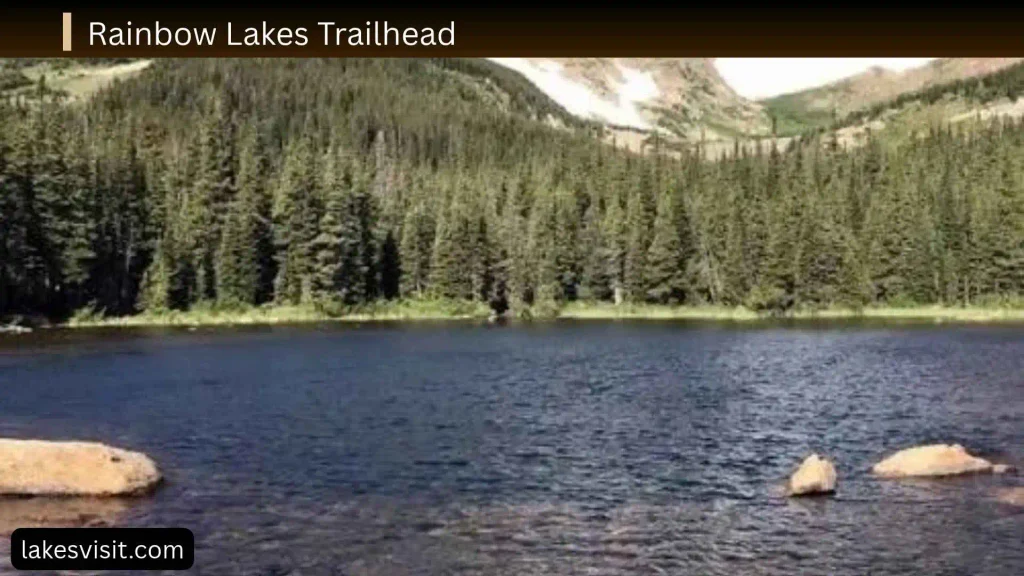
The official COTREX listing for Rainbow Lakes Trailhead identifies the trailhead as being managed by the U.S. Forest Service. It lists bathrooms as available and water as unavailable, with no fee shown in the trailhead information.
That last point is especially important.
Do Not Assume Drinking Water Is Available
Even if a bathroom is available, that does not mean potable water is available.
The campground information specifically states that drinking water is not provided, so visitors should bring sufficient water or make another appropriate arrangement before arriving.
Rainbow Lakes Campground
Rainbow Lakes Campground is one of the area’s most useful facilities for visitors who want to stay overnight.
Recreation.gov currently lists 18 first-come, first-served campsites. Most sites accommodate tents on 14-by-16-foot tent pads, while several sites are walk-in locations. Campsite 8 is larger and can accommodate up to 15 people, while the standard maximum is eight people per site.
The campground is generally open from mid-June through mid-September, although actual opening and closing conditions can depend on the mountain environment.
Rainbow Lakes Campground Facilities
The campground provides:
- Picnic tables
- Fire grates
- Vault toilets
- Trash service
- Bear lockers at sites with tent pads
But it does not provide:
- Drinking water
- Electricity
- Electrical hookups
- Dump stations
- Showers
This is one of the most important planning details for a first-time visitor.
Rainbow Lakes is not a full-service campground. You need to arrive prepared for a more basic outdoor experience.
Are Rainbow Lakes Campsites Reservable?
The campground is listed as first-come, first-served, and Recreation.gov states that reservations are not accepted. It also notes that the campground can fill for the weekend by Friday morning.
If you want a weekend campsite, arriving early can make a major difference.
Because campground conditions and operating details can change, check the current Recreation.gov listing before traveling.
Rainbow Lakes Camping Rules and Considerations
Camping at Rainbow Lakes requires more preparation than staying at a developed campground with extensive services.
Visitors should pay attention to:
- Site occupancy limits
- Seasonal opening dates
- Fire restrictions
- Food-storage requirements
- Vehicle limitations
- Dog rules
- Water availability
- Leave-no-trace practices
Recreation.gov states that dogs must be kept on a hand-held leash at the campground and that fire restrictions can be imposed when conditions require them.
Do You Need a Permit for Wilderness Camping?
This question is particularly important because campground camping and wilderness camping are not necessarily the same thing.
If your plans extend beyond the developed campground into Indian Peaks Wilderness, check the current wilderness regulations and permit requirements before setting up an overnight trip.
Do not assume that having a campground site automatically authorizes backcountry camping elsewhere.
What to Bring to Rainbow Lakes
Packing correctly can make a short mountain outing much more comfortable.
For a Day Hike
Bring:
- Plenty of drinking water
- Snacks or lunch
- Sturdy footwear
- Light and warm layers
- Rain protection
- Sun protection
- Navigation tools
- First-aid supplies
- Phone or emergency communication device
- Extra food for unexpected delays
For Camping
Add:
- Tent
- Sleeping bag suitable for cold conditions
- Sleeping pad
- Cooking equipment
- Food
- Water
- Headlamp
- Extra batteries
- Warm clothing
- Rain gear
- Bear-safe food storage arrangements
- Fire supplies only when fires are permitted
Because drinking water is not available at Rainbow Lakes Campground, water planning should happen before arrival.
Things to Do at Rainbow Lakes
Rainbow Lakes is not simply a place to look at the water. The surrounding mountain environment creates several recreational opportunities.
Hiking
Hiking is the primary activity.
The short Rainbow Lakes Trail provides access to the lakes and surrounding scenery, while the broader trail network provides opportunities for visitors who want a longer adventure.
Camping
Camping allows visitors to experience the area during the quieter morning and evening hours.
The campground’s limited facilities mean it is best for people comfortable with basic outdoor camping.
Fishing
Fishing is another activity associated with the area.
Recreation.gov states that fishing is regulated by Colorado Parks and Wildlife, so anglers should check current Colorado regulations, licensing requirements, seasons and limits before fishing.
Do not rely on an old blog post for current fishing rules.
Wildlife Viewing
Wildlife is part of the appeal of the surrounding forest and wilderness.
Visitors may encounter signs of beavers and other mountain wildlife. The best approach is to observe animals from a safe distance rather than attempting to approach, feed or photograph them closely.
Photography
Rainbow Lakes is a strong destination for outdoor photography.
Good subjects include:
- Lakes
- Forests
- Reflections
- Mountain landscapes
- Wildlife
- Wildflowers during the appropriate season
- Morning and evening light
Weather and light can change quickly, so photographers should protect equipment and avoid letting photography distract from trail safety.
Can You Swim at Rainbow Lakes?
Rainbow Lakes should not be approached as a conventional swimming destination.
Unlike a developed recreation lake with a designated beach, lifeguards and marked swimming areas, this is a high-elevation mountain environment.
Before entering any natural water, visitors should confirm current regulations and conditions. Cold mountain water, uneven shorelines, changing weather and remote surroundings can create risks that are very different from those at a developed swimming facility.
If swimming is the main purpose of your trip, a designated swimming destination may be a better choice.
Can You Fish at Rainbow Lakes?
Fishing can be part of a Rainbow Lakes trip, but anglers should check current regulations before casting.
Recreation.gov specifically notes that fishing is regulated by Colorado Parks and Wildlife.
Before fishing, confirm:
- Colorado fishing license requirements
- Seasonal regulations
- Species-specific rules
- Catch limits
- Bait restrictions
- Water-specific restrictions
Rules can change, so current official regulations are more reliable than information published several years ago.
Rainbow Lakes Wildlife and Bear Safety
The mountain setting means wildlife awareness should be part of every visit.
You may encounter wildlife or see evidence of animals around the campground and trail.
Follow Basic Wildlife Practices
Never:
- Feed wild animals
- Approach wildlife for photographs
- Leave food unattended
- Leave food scraps around your campsite
- Attempt to touch young animals
The campground provides bear lockers at sites with tent pads, highlighting the importance of appropriate food storage.
Keep your campsite clean and follow current Forest Service food-storage guidance.
Are Dogs Allowed at Rainbow Lakes?
Dogs are permitted on the short Rainbow Lakes Trail on leash, according to the COTREX listing. Recreation.gov also states that dogs at the campground must be on a hand-held leash.
Dog owners should consider:
- Altitude
- Heat and sun exposure
- Rocky or wet surfaces
- Wildlife
- Water availability
- Leash requirements
- Their dog’s fitness
Because potable water is unavailable at the campground, bringing enough water for your dog is particularly important.
Is Rainbow Lakes Good for Families?
Rainbow Lakes can be a good choice for families who are comfortable with mountain recreation.
The relatively short trail can be appealing to families who do not want a long-distance hike, but the high elevation changes the equation.
Parents should consider:
- Children’s hiking experience
- Altitude tolerance
- Weather
- Trail conditions
- Water requirements
- Bathroom access
- Wildlife
- Emergency planning
A child who easily handles a three-mile lowland trail may still find a high-elevation mountain walk surprisingly tiring.
For young children, keep them close to adults around water, uneven ground and wildlife.
Rainbow Lakes Safety Tips
Safety should be a major part of your planning.
1. Check the Weather
Mountain weather can change quickly.
A sunny morning does not guarantee a calm afternoon.
2. Prepare for Cold
Even during summer, high-elevation temperatures can drop quickly, especially around sunrise, sunset or during storms.
3. Take Altitude Seriously
Do not race through the hike.
Allow time to adjust to the elevation and pay attention to how everyone in your group feels.
4. Carry Water
There is no potable water at the campground.
5. Follow Fire Restrictions
Campfires may be restricted during periods of high fire danger. Recreation.gov specifically warns that fire restrictions can be imposed.
6. Store Food Properly
Use available bear-storage facilities and follow current wildlife regulations.
7. Don’t Depend Entirely on Cell Service
Remote mountain areas can have inconsistent communication coverage.
8. Tell Someone Your Plans
If you are hiking alone or camping, let someone outside your group know your route and expected return.
9. Check Road Conditions
The final approach is unpaved and seasonal.
10. Know When to Turn Around
A short hike is not worth continuing through dangerous weather, unsafe trail conditions or serious altitude symptoms.
Best Time to Visit Rainbow Lakes
There is no single perfect date for everyone.
The best time depends on whether you want hiking, camping, fall scenery, solitude or winter adventure.
Summer
Summer is generally the most straightforward season for visitors.
It is the primary camping season, and Recreation.gov lists Rainbow Lakes Campground as generally operating from mid-June through mid-September.
Summer is a strong choice for:
- Hiking
- Camping
- Fishing
- Photography
- Wildlife viewing
However, summer weekends can be busy.
Early Fall
Early fall can offer cooler temperatures and beautiful mountain scenery.
It may also provide a quieter experience than the height of summer, depending on weather and visitation.
Late Fall
Conditions become increasingly unpredictable.
Visitors should check road and trail conditions before traveling.
Winter
Winter access is a completely different experience.
The campground road is closed during winter according to Recreation.gov, so visitors should not plan an ordinary drive-in camping trip during the closure period.
Anyone considering winter travel should have appropriate skills, equipment and current information.
Spring
Spring conditions can include snow, mud and changing road access.
Do not assume that warmer temperatures in Nederland mean the high-elevation Rainbow Lakes area is fully accessible.
Rainbow Lakes Road Conditions
Rainbow Lakes Road deserves special attention because access is one of the easiest details for visitors to underestimate.
The campground access road is native-surfaced, and Recreation.gov recommends a high-clearance vehicle.
COTREX also identifies Rainbow Lakes Road as an unpaved road with seasonal access information.
Before driving there, check:
- Road opening status
- Snow conditions
- Mud
- Recent storms
- Vehicle suitability
- Parking conditions
- Current Forest Service notices
A vehicle that is comfortable on normal paved mountain roads may not be equally comfortable on an unpaved forest road.
Rainbow Lakes Pros and Cons
Understanding both advantages and disadvantages can help you decide whether the destination matches your plans.
Pros
- Beautiful high-elevation scenery
- Lakes and mountain landscapes
- Short access trail to the lakes
- Camping available
- Fishing opportunities
- Wildlife viewing
- Wilderness atmosphere
- Close enough to Nederland for a mountain weekend
- Good photography opportunities
Cons
- High elevation
- Limited campground services
- No potable water
- No showers
- No electricity
- Seasonal road closure
- Unpaved access road
- Weather can change quickly
- Campsites are first-come, first-served
- Weekend campsites can fill quickly
The lack of amenities is not necessarily a disadvantage for experienced campers, but it can be a problem for visitors expecting a resort-style campground.
Is Rainbow Lakes Worth Visiting?
For the right traveler, Rainbow Lakes is absolutely worth considering.
It is particularly appealing if you want:
- Mountain lakes
- A relatively short hiking experience
- Camping in a forest setting
- Fishing
- Wildlife viewing
- Photography
- A quieter alternative to heavily developed recreation areas
It may not be the best choice if your ideal lake vacation requires:
- A large sandy beach
- Lifeguards
- Full-service camping
- Electrical hookups
- Showers
- Restaurants directly beside the water
- Easy winter road access
The biggest attraction is the natural mountain environment—not extensive visitor infrastructure.
Rainbow Lakes vs. a Developed Colorado Lake
Rainbow Lakes is very different from a conventional lake resort.
| Feature | Rainbow Lakes | Developed Lake Destination |
| Main attraction | Mountain scenery and lakes | Water recreation |
| Environment | High-elevation forest | Often lower-elevation/developed |
| Camping | Basic | May range from basic to full-service |
| Electricity | No | Sometimes available |
| Showers | No | Sometimes available |
| Swimming | Not the primary attraction | Often available at designated sites |
| Hiking | Strong attraction | Depends on destination |
| Wildlife | Important part of experience | Varies |
| Road access | Seasonal/unpaved | Often easier |
| Best for | Outdoor-focused travelers | Broader recreational trips |
This comparison helps explain why someone searching for “Rainbow Lakes” should not automatically expect the same experience as visiting a large recreational reservoir.
Nearby Things to Do
Rainbow Lakes can be part of a broader trip around the Nederland and Indian Peaks area.
Depending on current access and conditions, visitors can combine the trip with:
- Additional hiking
- Scenic drives
- Mountain photography
- Wildlife watching
- Other nearby recreation areas
- Exploring Nederland
Recreation.gov notes that Brainard Lake Recreation Area is approximately a 30-minute drive from Rainbow Lakes Campground.
Before adding another destination to your itinerary, check current opening dates, road conditions and access rules.
How to Plan a Rainbow Lakes Weekend
A simple weekend plan can look like this:
Day 1: Travel and Camp
Arrive in the Nederland area, check road conditions, continue toward Rainbow Lakes and set up camp if a site is available.
Spend the afternoon exploring nearby trails and enjoying the lake scenery.
Day 2: Hike and Explore
Start early, especially during busy periods.
Complete the Rainbow Lakes hike, take photographs, observe wildlife from a safe distance and enjoy the surrounding mountain environment.
If you plan to fish, make sure you have the required license and understand current regulations.
Day 3: Explore the Area
Pack up carefully and consider visiting another nearby recreation destination before returning home.
Always allow additional time for mountain-road travel.
Rainbow Lakes Trip Planning Checklist
Before leaving, confirm:
- Exact trailhead
- Current road status
- Weather forecast
- Campground operating dates
- Campsite availability
- Water supply
- Fire restrictions
- Fishing regulations
- Dog rules
- Parking information
- Vehicle suitability
- Emergency plans
- Food-storage requirements
- Trail conditions
This checklist is especially useful because many problems at mountain destinations come from assuming that conditions will be the same as they were during a previous visit.
Other Places Called Rainbow Lakes in the United States
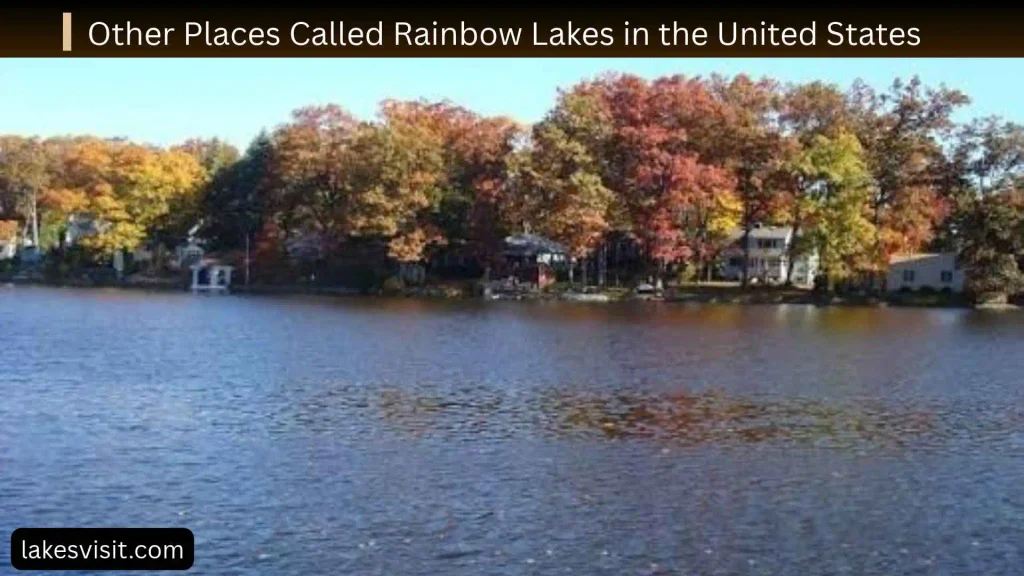
The Colorado destination is not the only place associated with the Rainbow Lakes name.
Rainbow Lake, Arizona
Rainbow Lake near Pinetop-Lakeside is a different destination with a stronger emphasis on traditional lake recreation and fishing.
If your search includes Rainbow Lake Arizona, make sure you do not accidentally use Colorado trail or campground information.
Rainbow Lakes, Michigan
Michigan has a Rainbow Lakes community associated with private lake recreation.
This is a different type of destination from the Colorado wilderness setting.
Rainbow Lakes, New Jersey
Rainbow Lakes in New Jersey refers to a residential lake community.
Someone searching for Rainbow Lakes NJ may be looking for homes, community information or resident recreation rather than a hiking trail.
Rainbow Lakes Estates, Florida
Rainbow Lakes Estates is a community in Florida, so searches involving homes, property, local services or community information should be treated separately from Rainbow Lakes Colorado.
Rainbow Lakes, Ohio
Ohio also has a Rainbow Lakes recreation destination associated with activities such as fishing, camping, canoeing and kayaking.
The key point is simple: always include the state when searching for directions, regulations or reservations.
Rainbow Lakes vs. Rainbow Lake
The difference between the plural and singular names can create confusion.
Rainbow Lakes
When people search Rainbow Lakes Colorado, they are often looking for the Colorado mountain destination, trail or campground.
Rainbow Lake
“Rainbow Lake” can refer to entirely different locations, including destinations in Arizona and other states.
Rainbow Lakes Estates
This usually points toward the Florida residential community rather than the Colorado hiking destination.
Adding the state to your search is the safest way to avoid mixing information from unrelated places.
Frequently Asked Questions About Rainbow Lakes
Where is Rainbow Lakes Colorado?
Rainbow Lakes is near Nederland, Colorado, in the Arapaho and Roosevelt National Forests and adjacent to the Indian Peaks Wilderness.
What are Rainbow Lakes known for?
Rainbow Lakes is best known for its mountain lakes, hiking, camping, fishing, wildlife viewing and high-elevation scenery.
How long is Rainbow Lakes Trail?
The short Rainbow Lakes Trail listed by COTREX is approximately 0.9 miles long. Other routes with the same or similar name are substantially longer, so confirm the exact trail before planning your hike.
Is Rainbow Lakes Trail difficult?
The short route is relatively limited in mileage, but its high elevation can make it more challenging than a similar-length low-elevation hike.
What elevation is Rainbow Lakes?
The short COTREX Rainbow Lakes Trail ranges from approximately 9,969 to 10,262 feet.
Is Rainbow Lakes good for beginners?
It can be suitable for prepared beginners who are comfortable hiking at high elevation and who visit under favorable weather and trail conditions.
Can you camp at Rainbow Lakes?
Yes. Rainbow Lakes Campground has 18 first-come, first-served campsites and generally operates seasonally from mid-June through mid-September.
Does Rainbow Lakes Campground have drinking water?
No. Recreation.gov specifically states that potable drinking water is not available.
Does Rainbow Lakes Campground have showers?
No. Showers are not provided at the campground.
Does Rainbow Lakes Campground have electricity?
No. The campground does not provide electricity or hookups.
Can you reserve a Rainbow Lakes campsite?
The campground is listed as first-come, first-served rather than reservable. Recreation.gov advises that it can fill for weekends early.
What time does Rainbow Lakes Campground open?
Recreation.gov generally lists the campground as operating from mid-June through mid-September, but actual seasonal access depends on conditions.
Is Rainbow Lakes open in winter?
The road to Rainbow Lakes Campground is closed for winter and typically reopens in June, according to Recreation.gov.
Is the road to Rainbow Lakes paved?
The final campground approach is a native-surface road, and a high-clearance vehicle is recommended.
Can you fish at Rainbow Lakes?
Fishing is an available activity, but current rules and licensing requirements are regulated by Colorado Parks and Wildlife. Check current regulations before fishing.
Are dogs allowed at Rainbow Lakes?
Yes, dogs are permitted on the short trail on leash, and Recreation.gov states that dogs at the campground must be on a hand-held leash.
Is Rainbow Lakes good for families?
It can be, particularly for families accustomed to hiking, but parents should account for high elevation, weather, trail conditions, water needs and wildlife.
Can you swim in Rainbow Lakes?
Rainbow Lakes is not primarily a developed swimming destination. Visitors should not assume that the lakes have designated swimming facilities or safe swimming conditions.
What should I bring to Rainbow Lakes?
Bring water, food, layers, rain protection, sturdy footwear, sun protection, navigation equipment and basic emergency supplies. Campers need additional equipment because there is no potable water, electricity or shower facility at the campground.
Is Rainbow Lakes worth visiting?
Yes, especially if you enjoy hiking, mountain scenery, camping, fishing and wildlife. It is less suitable for travelers looking for a highly developed lake resort.
What town is closest to Rainbow Lakes?
Nederland is the primary nearby town used for directions and access planning.
Is Rainbow Lakes the same as Rainbow Lake in Arizona?
No. They are different destinations in different states. Always include the state when searching for travel information.
Final Thoughts on Rainbow Lakes
Rainbow Lakes Colorado is a destination for people who want to experience mountain lakes, hiking, camping and high-country scenery without needing a long expedition to reach the water.
Its strongest appeal is the combination of a relatively short lake-oriented trail, a basic Forest Service campground and access to a much larger mountain environment. The tradeoff is that visitors need to be self-sufficient: there is no potable water, electricity or shower service at the campground, the road is unpaved, and seasonal access can change.
For the best experience, plan around the realities of the location. Check current road and weather conditions, prepare for altitude, carry enough water, follow wildlife and fire-safety rules, and verify current fishing or wilderness regulations before traveling.
Most importantly, make sure you are researching the correct Rainbow Lakes. If your search is for the Colorado trail and campground, this mountain destination offers a rewarding combination of scenery, outdoor recreation and a genuine high-country atmosphere.