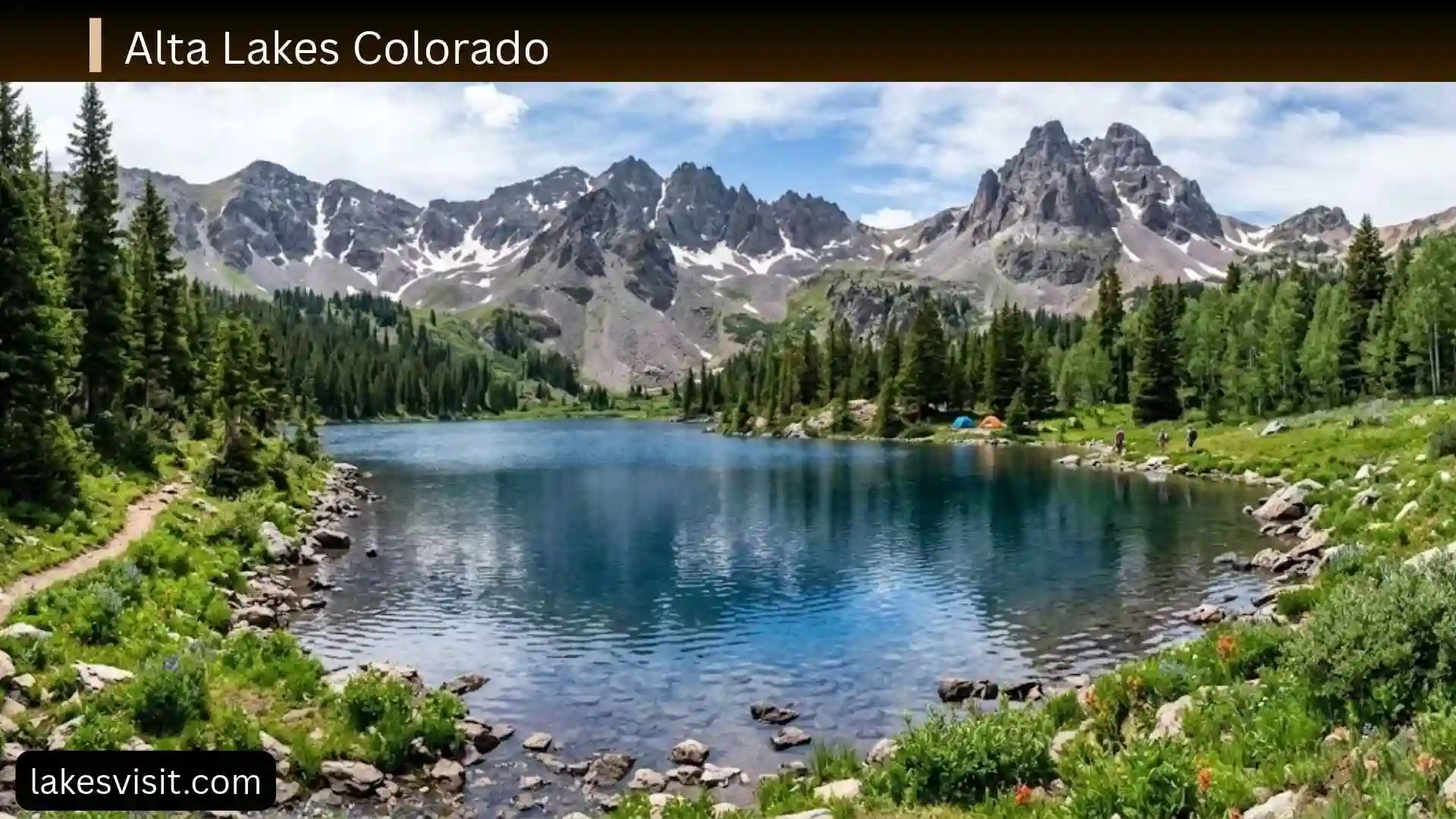
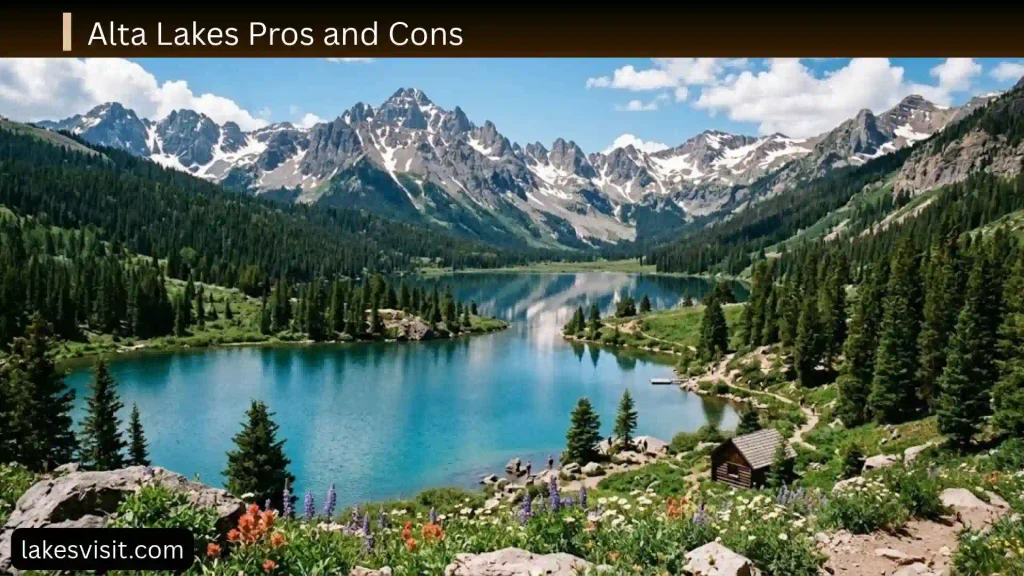
Alta Lakes is one of the most distinctive high-alpine destinations near Telluride, Colorado. The area combines three mountain lakes, primitive camping, fishing, hiking, paddling, off-road access, and the remains of the historic Alta mining town in one remote setting.
Located south of Telluride in the San Juan Mountains, Alta Lakes sits at roughly 11,000 feet and feels considerably more remote than its relatively short distance from town suggests. The road is narrow and rough, high-clearance vehicles are recommended, and there are no conventional campground services at the lakes.
The destination is also more than a scenic lake stop. The surrounding landscape contains the remains of Alta, a former mining community located at about 11,800 feet, while the third lake is home to the private Alta Lakes Observatory.
This guide explains what to know before visiting Alta Lakes, including how to get there, camping, road conditions, fishing, hiking, water activities, the ghost town, winter access, safety, and what type of traveler will enjoy the area most.
Alta Lakes at a Glance
| Feature | Details |
| Location | South of Telluride, Colorado |
| Setting | High alpine basin in the San Juan Mountains |
| Number of lakes | Three |
| Elevation | Approximately 11,000+ feet in the lake area |
| Historic site | Alta Ghost Town |
| Main activities | Camping, fishing, hiking, kayaking, paddleboarding, photography |
| Road | Alta Lakes Road / National Forest System Road 632 |
| Vehicle recommendation | High-clearance vehicle; capable 4×4 is preferable for rough conditions |
| Campground style | Designated dispersed camping |
| Campsites | Current local information lists 20 designated sites |
| On-site services | None |
| RVs/trailers | Not recommended |
| Winter activities | Snowmobiling, snowshoeing, backcountry skiing and fat biking |
| Land management | U.S. Forest Service area |
| Nearby destination | Telluride and Mountain Village |
Alta Lakes is best suited to visitors who are comfortable with primitive mountain conditions rather than travelers looking for a developed recreation area.
Where Are Alta Lakes?
Alta Lakes are located south of Telluride in southwestern Colorado. The road begins from Highway 145 approximately six miles south of Telluride. From there, Alta Lakes Road continues toward the historic Alta townsite before a turn toward the lakes.
The lakes are close enough to Telluride to make a day trip possible, but the high elevation, rough road, limited facilities, and surrounding mountain terrain create a very different experience from visiting a developed attraction in town.
The area is managed by the U.S. Forest Service, and recreation around the lakes includes camping, fishing, hiking, paddling and winter activities.
How to Get to Alta Lakes
The standard summer approach begins on Highway 145 south of Telluride.
Alta Lakes Road
Alta Lakes Road is a mountain road rather than a typical paved tourist route. The official Telluride tourism information describes it as a route leading approximately four miles from the highway toward the Alta ghost town, followed by signs toward the lakes. High-clearance vehicles are recommended.
The road should be treated as a genuine mountain access route.
Expect:
- Narrow sections
- Rough and uneven surfaces
- Changing conditions after rain or snow
- Limited convenience compared with paved roads
- Mountain driving conditions
- Possible seasonal closures or restrictions
The official off-roading guidance for the Telluride area recommends checking mountain-road conditions before heading into the high country and notes that mountain-driving experience is highly recommended for visitors driving these routes themselves.
What Vehicle Do You Need?
A high-clearance vehicle is recommended for Alta Lakes. A capable 4×4 is an even better choice, particularly if road conditions are rough.
That does not mean every visitor should assume a 4×4 is legally required under every summer condition. Rather, the combination of high elevation, rough road surfaces and changing weather makes a low-clearance passenger car a poor choice.
If you are unfamiliar with mountain roads, a guided off-road trip can be a more comfortable option than attempting the route yourself.
Can RVs and Trailers Go to Alta Lakes?
Alta Lakes is not a good destination for large RVs or trailers.
The current campground information specifically says that trailers and RVs are not recommended, while also describing the road as narrow and rough.
Travelers using large recreational vehicles should look for a more developed campground elsewhere in the Telluride region rather than trying to force an unsuitable vehicle onto the Alta Lakes road.
Summer vs. Winter Access
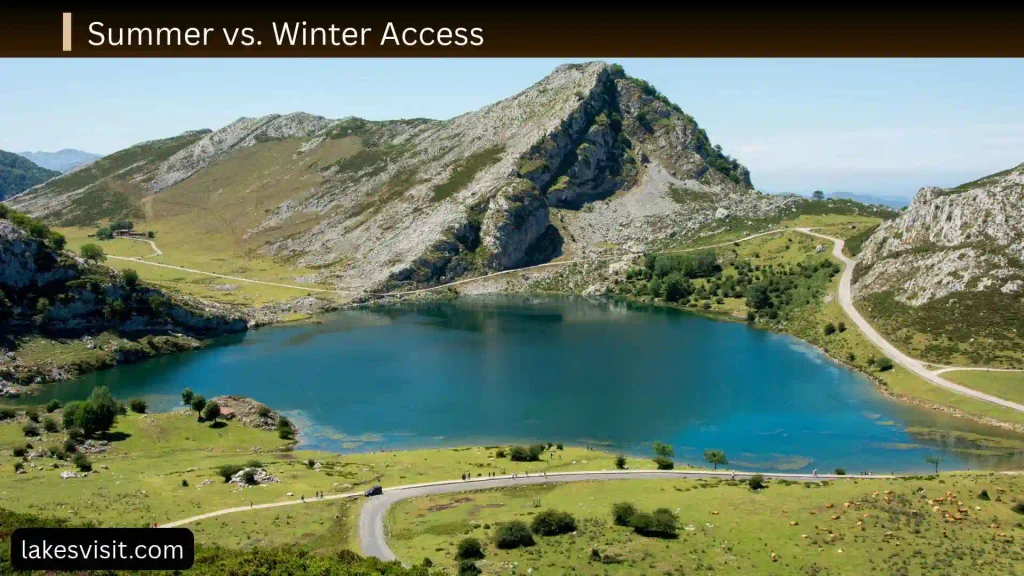
Alta Lakes changes dramatically with the seasons.
Summer Access
Summer is the traditional season for driving to the lakes, camping, fishing, hiking and paddling. High-clearance vehicles are recommended, and the road can still be rough even during the warmer months.
However, summer does not mean that every activity or campsite is automatically available. Road repairs, campground improvements, fire restrictions and other land-management decisions can temporarily change access.
Winter Access
Winter access is a completely different experience.
The Alta Ghost Town information states that the area is closed to conventional winter vehicle access and can be reached by snowmobile, while the broader Alta Lakes information lists snowmobiling, snowshoeing, backcountry skiing and fat biking among winter activities.
That means visitors should not assume that the summer driving route remains usable simply because Alta Lakes is geographically accessible in winter.
Winter travel also requires appropriate equipment, mountain experience and awareness of rapidly changing conditions.
Important: Check Current Road and Camping Conditions
This is one of the most important things to understand before visiting Alta Lakes.
Conditions can change during the season.
For example, Alta Lakes Road was reopened after repairs on August 20, 2025, but camping remained temporarily prohibited while campsite improvements were being completed. Day use was permitted at that time.
That example demonstrates why an older blog post or previous visitor review should not be treated as a guarantee of current access.
Before leaving, check current information for:
- Alta Lakes Road
- Camping availability
- Forest Service restrictions
- Fire restrictions
- Winter access
- Weather
- Any temporary closures
What Are the Three Alta Lakes?
Alta Lakes is not a single lake. It is a group of three high-alpine lakes surrounded by the mountains.
The lakes sit beyond the historic Alta townsite and provide the central scenic attraction of the area. The official Telluride tourism information specifically describes Alta Lakes as three high-alpine lakes and identifies activities including camping, fishing, kayaking, paddleboarding and hiking.
The three-lake setting is one reason the destination feels more like a mountain basin than a simple roadside lake.
The landscape combines:
- Alpine water
- Mountain slopes
- Forest
- Historic mining remains
- Open mountain terrain
- Wildlife habitat
- High-elevation scenery
The third lake also has the private Alta Lakes Observatory, making it important to distinguish recreational public areas from private property.
Alta Lakes Camping
Camping is one of the main reasons people search for Alta Lakes.
The campground is a primitive, designated dispersed-camping area rather than a full-service campground. Current local information lists 20 designated campsites and states that there are no services available onsite. Visitors are expected to pack out what they bring in.
This makes Alta Lakes attractive to campers who want an alpine experience but less suitable for people who expect modern campground facilities.
What Is Alta Lakes Camping Like?
Expect a basic mountain camping experience.
You should not plan on having the type of infrastructure associated with an established commercial campground.
The area does not provide conventional:
- Electrical hookups
- RV services
- Developed campground amenities
- On-site water service
- Full-service visitor facilities
The official campground information specifically describes the site as having no services onsite.
How Many Campsites Are There?
The current Visit Telluride campground information lists 20 designated campsites.
Because campground conditions can change, treat the number as current guidance rather than a permanent guarantee.
Is Alta Lakes Camping Always Available?
No.
Camping availability can change because of:
- Road work
- Campsite improvements
- Fire restrictions
- Seasonal conditions
- Forest Service decisions
- Temporary closures
The 2025 road-reopening update is a good example: the road reopened for public recreation, but camping was temporarily prohibited while campsite improvements continued.
Always verify current conditions before planning an overnight stay.
Alta Lakes Camping Rules
Visitors should approach Alta Lakes as a sensitive high-alpine environment.
Important camping practices include:
- Camp only in designated or established permitted areas.
- Pack out all trash.
- Do not leave food or garbage around your campsite.
- Follow current fire restrictions.
- Keep human waste well away from lakes and streams.
- Avoid sensitive vegetation and riparian areas.
- Respect wildlife.
- Do not damage historic structures.
- Stay off private property.
- Leave historic objects and mining remnants where you find them.
Telluride’s regional camping guidance also emphasizes established campsites, responsible fire use, packing out trash, keeping waste away from water, and respecting private property.
Things to Do at Alta Lakes
Alta Lakes offers more activities than its remote setting might suggest.
Fishing at Alta Lakes
Fishing is one of the most popular reasons to spend time around the lakes.
The Telluride area identifies Alta Lakes as a fishing destination, including for fly-fishing and other lake-based fishing opportunities.
Before fishing, check current Colorado regulations and licensing requirements for the specific water you plan to fish.
Do not assume that regulations from another Colorado lake automatically apply to Alta Lakes.
A fishing trip is particularly appealing when combined with camping because the remote setting allows visitors to spend more time around the water instead of making a quick stop.
Hiking Around Alta Lakes
Hiking around Alta Lakes is less about one famous, heavily developed trail and more about exploring the surrounding high-country landscape.
The area connects with the broader Telluride trail network. The official Alta Lakes information notes that the Boomerang Trail can be accessed from Prospect Trail or Basin Trail, with a Forest Service road leading toward Alta Lakes and the historic townsite.
The Prospect Trail information also identifies a connection toward Alta Ghost Town and Alta Lakes.
Visitors should remember that elevation changes the difficulty of hiking.
A walk that looks short on a map can feel significantly harder above 11,000 feet, especially for visitors arriving from lower elevations.
Kayaking and Paddleboarding
Non-motorized water activities are another attraction at Alta Lakes.
The official destination information specifically lists kayaking and paddleboarding among the activities available at Alta Lakes.
Because these are high-alpine lakes, visitors should expect cold water and changing mountain weather rather than conditions comparable to a warm recreational reservoir.
Bring appropriate safety equipment and do not underestimate the water temperature.
Photography
Alta Lakes is particularly attractive to photographers because several subjects can be combined in a single trip:
- Alpine lakes
- Mountain reflections
- Historic mining buildings
- Mountain ridges
- Wildflowers
- Forest
- Sunrise and sunset light
- Winter snow scenery
The combination of natural and historic scenery is one of the area’s biggest advantages.
Wildlife Watching
Wildlife is another part of the Alta Lakes experience, although sightings are never guaranteed.
The area around the Observatory has been described as supporting wildlife including pine martens, short-tailed weasels, snowshoe hares, porcupines and a variety of birds.
Visitors should observe animals from a safe distance and never feed wildlife.
4×4 and Off-Roading
Alta Lakes is also part of the broader Telluride off-road landscape.
The region’s official tourism information includes Alta Lakes among its off-road destinations and recommends mountain-driving experience for people venturing out independently.
The road should not be confused with an ordinary scenic drive.
If you are inexperienced with high-country 4×4 roads, a guided excursion can make the experience easier and safer.
Alta Ghost Town
One of the biggest reasons Alta Lakes stands out from other Colorado lake destinations is its historic ghost town.
Alta was a high-elevation mining community located at approximately 11,800 feet. The town became a center of mining activity in the Alta-Gold King area from 1877 to 1948, and several original buildings remain.
The History of Alta
During its peak, Alta had a population of several hundred people.
The community included:
- Homes
- A school
- A community center
- A boarding house
- Mining-related buildings
- Residences for miners and their families
A separate area known as “Snob Hill” contained homes associated with bankers and mine owners.
Today, the remaining structures provide a physical reminder of the mining era that shaped the San Juan Mountains.
Alta and the Gold King Mine
Mining was the foundation of the community.
The Gold King Mine became particularly significant in the area’s industrial history, and Alta’s story is closely connected to the development of electricity in the region.
According to Visit Telluride’s historical account, the Gold King Mine played a notable role in the early commercial use of alternating-current electricity.
Because that is a particularly strong historical claim, it is best understood in the context of the local historical account rather than repeated as an unsupported universal statement.
Can You Explore the Old Buildings?
Visitors can see the historic remains, but this is not a conventional preserved museum village.
Buildings may be fragile or unstable.
Do not:
- Enter unsafe structures
- Climb on historic buildings
- Remove artifacts
- Take mining equipment
- Damage walls or foundations
Treat the ghost town as a historic site rather than an abandoned playground.
Alta Lakes Observatory
The Alta Lakes Observatory is located at the third lake and is one of the area’s most unusual features.
The property is private, although it is available for rental.
The local tourism listing describes the Observatory as a remote alpine-lake property about 13 miles from Telluride, with sleeping areas, kitchen facilities, fireplaces, a sauna and hot tub among its amenities.
Is Alta Lakes Observatory Public?
No.
The Observatory is private property.
Seeing it from an appropriate public route does not mean visitors have permission to enter the property.
Respect signs, boundaries and private-use areas.
Can You Stay at Alta Lakes Observatory?
The property is available for private rentals, making it a very different lodging option from primitive camping at the lakes.
This can be particularly appealing to groups that want the remote setting without sleeping in a tent.
Best Time to Visit Alta Lakes
The best time depends on what you want to do.
Best for Camping
Summer is generally the most practical season for reaching Alta Lakes by road and enjoying the lakeside environment.
However, always verify current camping status because access and campsite availability can change.
Best for Fishing
Warmer months are generally the most convenient for traditional lake fishing and combining fishing with hiking or camping.
Check current fishing regulations before your trip.
Best for Hiking
Summer and early fall provide the easiest access to the surrounding trails compared with winter.
Best for Fall Scenery
Early fall can bring beautiful mountain scenery and changing foliage, but weather can become unpredictable at high elevation.
Best for Winter Recreation
Winter is ideal for visitors specifically equipped and experienced for snow travel.
Activities identified for the Alta Lakes area include:
- Snowshoeing
- Backcountry skiing
- Snowmobiling
- Fat biking
Winter access should never be planned using summer road assumptions.
How Long Should You Spend at Alta Lakes?
A Few Hours
A short visit can work if your goal is:
- Scenic views
- Photography
- Ghost-town exploration
- A picnic
- A quick lake visit
One Day
A full day gives you more time for:
- Exploring the lakes
- Visiting the historic Alta townsite
- Fishing
- Hiking
- Paddling
- Photography
Overnight
Camping makes more sense for visitors who want to slow down and experience the landscape around sunrise, sunset and nighttime.
Because the area is primitive, overnight visitors need to be considerably more self-sufficient than day visitors.
What to Bring to Alta Lakes
Preparation matters because services are limited.
For a Day Trip
Bring:
- Plenty of drinking water
- Food and snacks
- Extra layers
- Rain protection
- Sun protection
- Navigation tools
- First-aid supplies
- Emergency supplies
- Fully charged communication devices
For Camping
Add:
- Appropriate tent
- Cold-weather sleeping system
- Cooking equipment
- Extra food
- Waste-management supplies
- Headlamp
- Extra clothing
- Emergency shelter or backup gear
Do not depend on the assumption that mountain weather will remain sunny.
Telluride’s camping guidance warns that thunderstorms are common and snow can occur at any time of year in the surrounding mountains.
Alta Lakes Safety Tips
Alta Lakes is beautiful, but it is not a low-risk developed recreation area.
Prepare for High Elevation
The lakes are above 11,000 feet.
Visitors arriving from much lower elevations may notice the altitude through:
- Shortness of breath
- Fatigue
- Headache
- Reduced hiking performance
Take physical exertion seriously and give yourself time to adjust.
Watch the Weather
Mountain weather can change rapidly.
Thunderstorms, rain, wind and cold conditions can appear even during warmer months.
Be Careful Around Water
The lakes are high alpine waters, not warm recreational swimming pools.
Cold water can become dangerous quickly.
Drive Conservatively
Do not rush on the access road.
Give yourself time and avoid attempting difficult sections beyond your vehicle’s capability.
Respect Private Property
The Alta Lakes area includes private property, including the Observatory.
Stay on appropriate public routes and respect signs and boundaries.
Follow Fire Restrictions
Fire regulations can change based on current conditions.
Never assume that a campfire is allowed simply because previous visitors had one.
Who Should Visit Alta Lakes?
Alta Lakes is an excellent choice for travelers who enjoy outdoor adventure and don’t mind limited infrastructure.
Alta Lakes Is Best For
- Campers
- Anglers
- Photographers
- Hikers
- History enthusiasts
- Off-road travelers
- Experienced mountain travelers
- Winter recreation enthusiasts
- Visitors looking for a less-developed alpine experience
Alta Lakes May Not Be Ideal For
- Large RV travelers
- Visitors seeking paved access
- Travelers who need full campground services
- People uncomfortable with rough mountain roads
- Visitors unprepared for high elevation
- Travelers looking for an effortless roadside attraction
Understanding this difference can save visitors from a disappointing trip.
Alta Lakes Pros and Cons
Pros
- Three scenic alpine lakes
- Historic ghost town
- Strong mountain scenery
- Camping opportunities
- Fishing
- Kayaking and paddleboarding
- Hiking
- Winter recreation
- Unique mining history
- Close enough to Telluride for a day trip
- Excellent photography opportunities
Cons
- Rough access road
- High elevation
- Limited facilities
- No conventional campground services
- RVs and trailers are not recommended
- Weather can change quickly
- Seasonal access can vary
- Camping status can change
- Private property is present
- Winter access requires a different approach
Things to Do Near Alta Lakes
One of the benefits of visiting Alta Lakes is that it can be combined with a broader Telluride-area trip.
Telluride
The town of Telluride provides restaurants, lodging, shops and additional outdoor activities.
Mountain Village
Mountain Village is another nearby base for visitors exploring the Telluride area.
Telluride Ski Resort
The ski resort and surrounding trail network provide additional summer and winter recreation opportunities.
The Prospect Trail, for example, connects with routes toward Alta Ghost Town and Alta Lakes.
Other Mountain Lakes
The broader region contains many other alpine lakes and reservoirs, including Trout Lake, Hope Lake, Blue Lake, Ice Lake and others.
This makes Alta Lakes a good addition to a larger San Juan Mountains itinerary rather than a destination that must stand alone.
Alta Lakes vs. Other Telluride-Area Lakes
Alta Lakes has a different character from many nearby mountain lakes.
Alta Lakes
Best for:
- Drive-up alpine scenery
- Camping
- Fishing
- Paddling
- Historic exploration
- 4×4 travel
Hope Lake
Better suited to travelers looking for a hiking-focused alpine lake experience.
Trout Lake
A strong option for visitors who want another scenic lake setting with easier road-based access in appropriate conditions.
Ice and Island Lakes
These are better choices for hikers looking for a more demanding mountain adventure.
The important distinction is that Alta Lakes combines road access, lakes, camping and mining history in one destination.
A Simple Alta Lakes Day Trip Itinerary
A practical day could look like this:
Morning
Leave Telluride early and drive toward Alta Lakes.
Take your time on the mountain road rather than treating the drive as a race.
Late Morning
Explore the historic Alta townsite.
Look at the remaining buildings and learn about the mining history.
Midday
Continue toward the lakes and find an appropriate place to enjoy lunch.
Afternoon
Choose an activity:
- Fishing
- Hiking
- Photography
- Kayaking
- Paddleboarding
Late Afternoon
Spend additional time around the lakes and enjoy the mountain scenery.
Before Evening
Begin your return trip with enough daylight and weather margin to avoid driving unfamiliar mountain roads after conditions deteriorate.
Before You Go to Alta Lakes
Check these five things before leaving:
1. Road Status
Verify whether Alta Lakes Road is open and what vehicle conditions are recommended.
2. Camping Status
If you are staying overnight, confirm that camping is currently permitted.
3. Weather
Check the mountain forecast rather than relying only on the weather in Telluride.
4. Fire Restrictions
Determine whether campfires are permitted under current restrictions.
5. Land and Recreation Rules
Check current Forest Service information and applicable fishing regulations.
This preparation is particularly important because road and camping conditions have changed in the past.
Frequently Asked Questions About Alta Lakes
Where are Alta Lakes?
Alta Lakes are located south of Telluride, Colorado, along Alta Lakes Road off Highway 145. The road begins approximately six miles south of Telluride.
How many Alta Lakes are there?
There are three high-alpine lakes in the Alta Lakes area.
How high are Alta Lakes?
The lake area is located at roughly 11,000 feet, while the historic Alta Ghost Town is around 11,800 feet.
Can you camp at Alta Lakes?
Camping is offered in designated dispersed campsites when camping is permitted. Current local information lists 20 designated campsites, but visitors should verify current status before traveling.
Does Alta Lakes have campground facilities?
No. The current campground information states that there are no services onsite.
Are RVs allowed at Alta Lakes?
RVs and trailers are not recommended because the road is narrow and rough.
Do you need a 4×4 to reach Alta Lakes?
A high-clearance vehicle is recommended. A capable 4×4 is the better choice for rough conditions, and the route to the ghost town and lakes should be treated as a mountain road rather than an ordinary passenger-car route.
Can you fish at Alta Lakes?
Yes. Fishing is one of the activities associated with Alta Lakes. Always check current Colorado fishing regulations and licensing requirements before fishing.
Can you kayak at Alta Lakes?
Yes. Kayaking and paddleboarding are listed activities at Alta Lakes.
Can you hike around Alta Lakes?
Yes. Hiking is available around the lakes and through the surrounding Telluride trail network. Routes can connect toward Alta Ghost Town and the Prospect/Boomerang trail system.
Can you visit Alta Ghost Town?
Yes, Alta Ghost Town is a historic mining site with several original buildings still standing. It sits at approximately 11,800 feet.
Is Alta Ghost Town open in winter?
The official Telluride information states that the area is closed in winter and is accessible by snowmobile.
Is Alta Lakes open in winter?
Winter recreation is possible, but access is different from summer. The area is used for activities such as snowmobiling, snowshoeing, backcountry skiing and fat biking.
Is Alta Lakes Observatory public?
No. The Observatory is private, although it is available for rentals.
Can you stay at Alta Lakes Observatory?
Yes. The Observatory is available as a private rental property and offers lodging-style amenities in the remote alpine setting.
Is Alta Lakes good for families?
It can be, particularly for families who are comfortable with primitive outdoor conditions. However, the high elevation, rough road and limited facilities mean it is not comparable with a developed family campground.
Is Alta Lakes worth visiting?
For travelers who enjoy alpine scenery, camping, fishing, hiking, history or off-road exploration, Alta Lakes can be an excellent destination. Its biggest advantage is the combination of three lakes and a historic mining town in the same high-country setting.
It is less suitable for visitors expecting paved access, full campground services or an easy roadside attraction.
Final Thoughts on Alta Lakes
Alta Lakes is one of those Colorado destinations where the journey is part of the experience.
The three high-alpine lakes provide the scenery, while the historic Alta townsite adds a layer of mining history that makes the destination much more memorable than a typical mountain lake. Camping, fishing, hiking, paddling and photography give visitors plenty of ways to spend time outdoors, while winter brings an entirely different set of possibilities.
The trade-off is accessibility. Alta Lakes is remote, high, primitive and reached by a rough mountain road. There are no conventional campground services, RVs and trailers are not recommended, and access conditions can change.
For the right traveler, however, those limitations are part of what makes Alta Lakes special.
If you arrive prepared for the elevation, road conditions, weather and lack of services, Alta Lakes offers a rare combination of alpine scenery, outdoor recreation and Colorado mining history within reach of Telluride.